US Renewable Energy Projects Worth $121 Billion Hang in the Balance
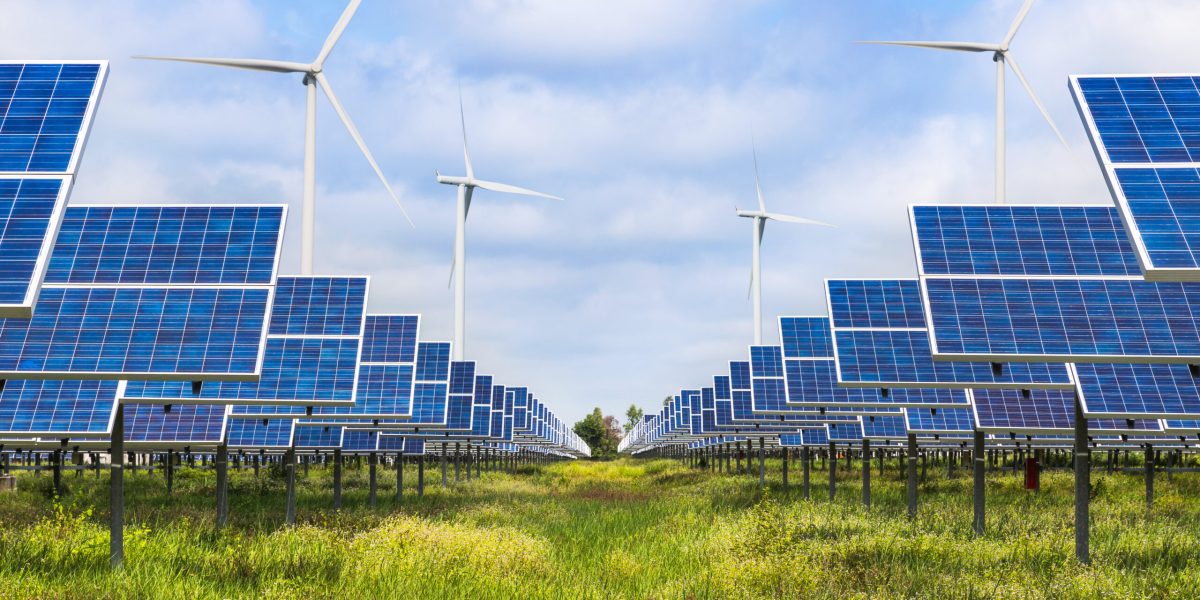
A new report warns that the US government’s slow permitting process is putting over $121 billion in renewable energy investments at risk, holding back growth in wind, solar, and energy storage projects. The data highlights the tension between environmental policy and economic development during the Trump administration.
Permitting Process Bottleneck
According to the report, a series of policy changes and regulations implemented by the Trump administration have resulted in a backlog of permits for renewable energy projects. This bottleneck is causing developers to delay or cancel projects, ultimately losing access to billions of dollars in potential investment. The affected projects include wind farms, solar parks, and energy storage facilities, all crucial for meeting rising power demands.
Consequences of Delayed Development
The report’s findings paint a stark picture of the consequences of slowed renewable energy development. As the US continues to rely heavily on fossil fuels, greenhouse gas emissions will likely increase, exacerbating climate change. Moreover, the country’s dependence on imported fuels will remain, straining trade balances. Furthermore, the loss of investment in renewable energy will stifle innovation and economic growth, particularly in rural areas where many of these projects are based.
What this means
For individuals and businesses, the delayed development of renewable energy projects means higher energy costs, reduced energy independence, and increased reliance on polluting fuels. As the report suggests, the current permitting process is a major obstacle to progress. Policymakers must address these issues to ensure a smoother permitting process and unlock the potential of renewable energy investments. This can be achieved by streamlining regulations and providing clearer guidelines for developers, ultimately benefiting both the environment and local economies.