**For neurodivergent students, the ‘hidden curriculum’ of academia has long been a minefield of unwritten rules and unspoken expectations.** Many students with conditions like autism, ADHD, or dyslexia struggle to navigate this unseen landscape, which can hold them back from achieving their academic potential.
AI tools, however, may offer a solution. Researchers at Vanderbilt University in Nashville, Tennessee, are working on developing technologies that can help neurodivergent individuals crack open this hidden curriculum. By analyzing vast amounts of educational data, AI systems can identify the unwritten rules and patterns that govern academic success – and provide students with the support they need to thrive.
Marisa Chrysochoou and Keivan Stassun, the researchers behind this initiative, recognize that traditional academic support systems often fail to account for the unique needs of neurodivergent students. “We want to use AI to identify the key factors that determine academic success for these students,” says Chrysochoou. “By understanding these factors, we can develop personalized tools that help them navigate the academic environment more effectively.”
Building a more inclusive campus
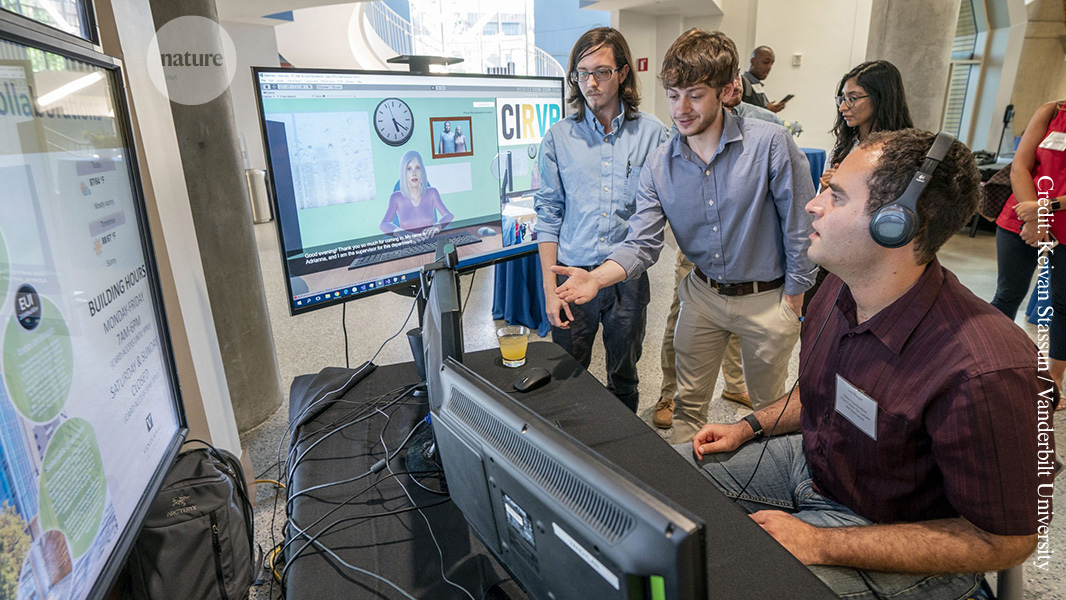
The researchers are working closely with students at Vanderbilt University, who are playing a crucial role in the development of these technologies. “We’re not just building tools for neurodivergent students – we’re building a more inclusive campus,” says Stassun. “By leveraging AI to identify the hidden curriculum, we can create a more supportive and accessible academic environment for everyone.”
AI-driven tools for success
The AI tools being developed by Chrysochoou and Stassun include personalized learning pathways, adaptive assessment systems, and cognitive training programs. These tools can help neurodivergent students to better understand and manage their own learning styles, as well as develop the skills and strategies they need to succeed in academia.
**What this means**: By cracking open the hidden curriculum, AI can help neurodivergent students to unlock their full potential and succeed in academia on their own terms. As universities and educators begin to incorporate these technologies into their teaching practices, we can expect to see a more inclusive and supportive academic environment emerge – one that empowers students of all abilities to thrive.