Agriculture 2.0: How Tech and Sustainability Are Redefining Farming
Agricultural education needs a severe overhaul to meet the demands of a rapidly changing industry, where the stakes are higher than ever before.
From Yield Maximisation to Sustainable Practices
Agriculture is no longer just about producing more food; it is about producing more with less. Modern farming is not merely focused on maximizing yields. The real challenge today is to produce more using fewer resources, less water, and lower levels of environmental impact. This shift requires a fundamental transformation of agricultural education, one that prioritises sustainability and technology.
Why Technology Matters
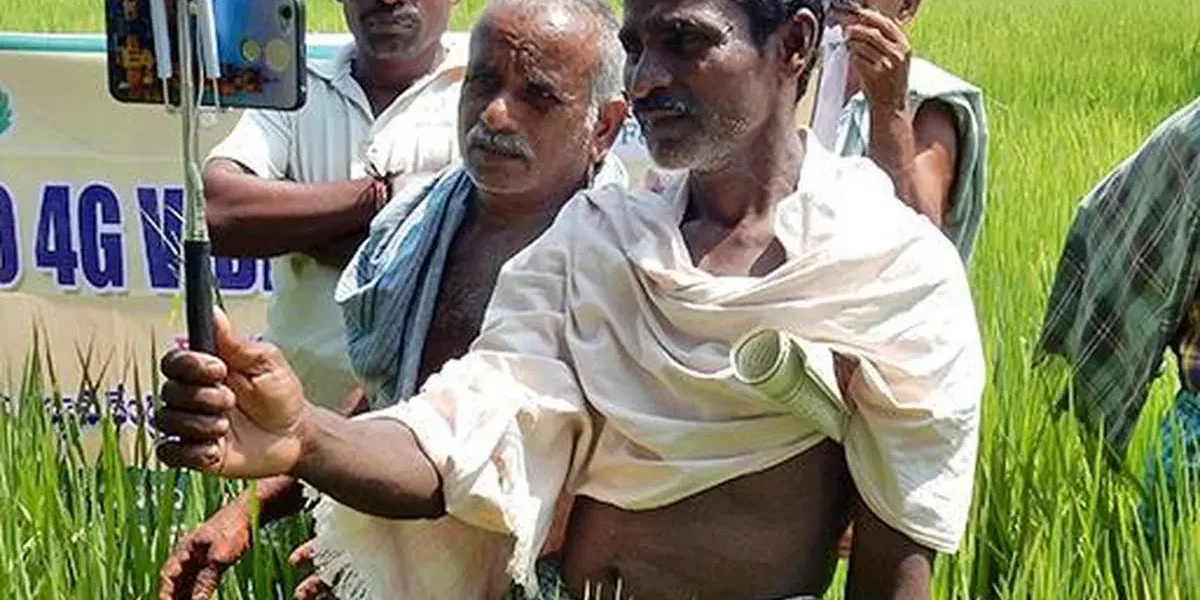
Agricultural technology, or agtech, has become an indispensable tool for farmers seeking to improve efficiency, reduce waste, and make data-driven decisions. Precision farming, for instance, uses satellite imaging and drones to gather detailed information about soil health, crop growth, and water usage. This data can be used to optimise irrigation systems, reduce chemical applications, and enhance crop yields. With agtech, farmers can grow more with less, while also reducing their environmental footprint.
What This Means for Agricultural Education
The days of traditional farming practices are numbered. To prepare students for a future where agriculture is increasingly tech-driven, educators must incorporate digital literacy, data analysis, and environmental stewardship into their curricula. This includes teaching students about sustainable farming practices, such as regenerative agriculture and permaculture, as well as the use of AI and machine learning to enhance decision-making.
Sustainability and National Security
The global food system is at a crossroads. As the world’s population continues to grow, it’s estimated that global food production will need to increase by 50% by 2050. However, climate change, soil degradation, and water scarcity threaten to undermine these gains. By prioritising sustainability and technology in agricultural education, we can ensure that our food systems are resilient, adaptable, and better equipped to meet the needs of a rapidly changing world. The implications are clear: modernising agricultural education is an economic, environmental, and national imperative that will shape the resilience and sustainability of our food systems for decades to come.