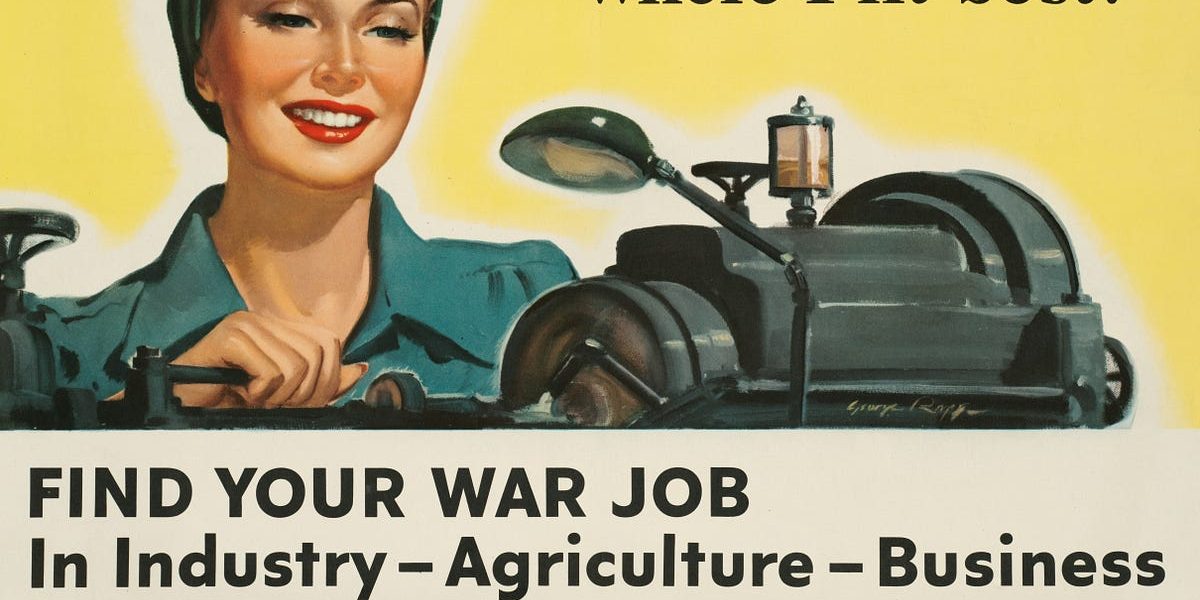
The year 1949 is often overshadowed by more dramatic events in human history, but it’s a milestone that quietly shifted the paradigm of work in America. That year, the U.S. Employment Service introduced the first standardized job classification system, which would go on to dominate the hiring process for decades to come.
The Rise of Qualifications
The job classification system, developed by the U.S. Employment Service, categorized positions into specific codes based on skills and qualifications required. This marked a significant shift in how employers thought about hiring, focusing less on individual characteristics and more on the qualifications necessary to perform a job.
At the time, this change was a gradual adjustment, but its impact would be far-reaching. By emphasizing qualifications over personal qualities, the hiring process became more structured and predictable. Employers could now easily match candidates to job openings using a shared language and system.
One key figure behind this change was Isador Lubin, the Director of the U.S. Employment Service at the time. Lubin recognized the need for a standardized system to help match workers with jobs during wartime, but its application extended far beyond that context.
The Standardization of Work
The job classification system, known as the Standard Occupational Classification (SOC), was designed to be flexible and adaptable. It allowed employers to easily update and modify job codes as the workforce and economy evolved.
The SOC system also created a shared language among employers, HR professionals, and job seekers. This standardized vocabulary helped facilitate communication and made it easier to find the right people for specific jobs.
As a result, the hiring process became more efficient and streamlined. Employers could rely on standardized qualifications to make informed decisions about who to hire, rather than relying on subjective assessments.
What This Means
The introduction of standardized job qualifications in 1949 had a lasting impact on the American workplace. It emphasized the importance of skills and training in the hiring process and created a more structured and predictable system for employers to find the right candidates.
Today, this legacy can be seen in the widespread use of job descriptions, skill requirements, and qualifications in hiring processes. While the specific system has evolved over time, its core principles remain an integral part of how we think about work in America.