Iran’s Retaliatory Strikes Raise Questions About U.S. Military Presence in the Middle East
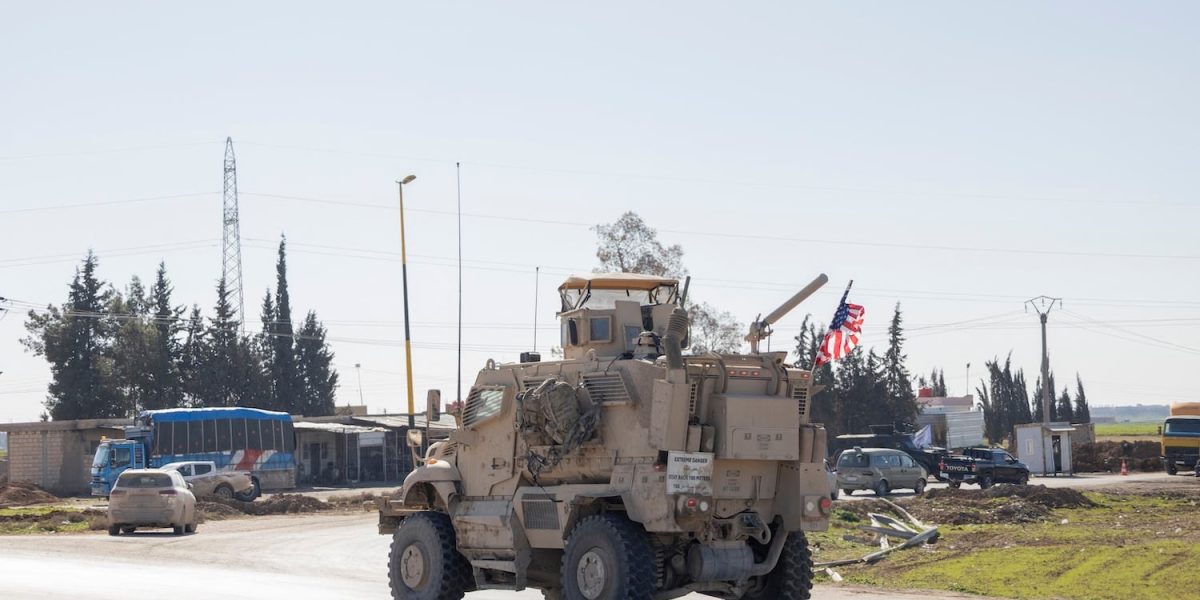
The U.S. military’s operation in the Middle East has been marked by a series of devastating retaliatory strikes by Iran, which has called into question the strategic value of U.S. military bases in the region.
A Pattern of Disruption, Not Protection
Operation Epic Fury has revived the debate over the effectiveness of U.S. military intervention in the Middle East. Despite numerous military operations in the region, including the war in Yemen and the ongoing conflict in Syria, U.S. forces have struggled to achieve their stated goals. In reality, U.S. intervention has often had the opposite effect, disrupting the flow of energy and resources in the region.
Iran’s retaliatory strikes, which targeted at least 20 U.S. military sites across eight countries, are a stark reminder of the limitations of U.S. military power in the Middle East. The strikes were a direct response to the U.S. assassination of top Iranian military commander Qasem Soleimani in January 2020, which had been widely condemned by Iranian leaders. The retaliatory strikes have highlighted the unintended consequences of U.S. military action in the region.
A Shift in Priorities Needed
The U.S. military’s presence in the Middle East has been justified as essential for ensuring the free flow of energy resources. However, the Iran’s retaliatory strikes suggest that this justification is no longer tenable. Instead of ensuring the free flow of energy, U.S. intervention has often interrupted it, causing more harm than good. What this means is that the U.S. should reevaluate its military presence in the Middle East and prioritize diplomacy over military action.
As the conflict in the Middle East continues to escalate, it’s clear that a shift in priorities is needed. The U.S. should focus on building relationships with regional partners and finding peaceful solutions to the region’s complex problems. This will require a renewed commitment to diplomacy and a willingness to engage in constructive dialogue with all parties involved. By doing so, the U.S. can work towards a more stable and secure region, rather than perpetuating the cycle of violence and retaliation that has defined the Middle East for far too long.
What’s at Stake?
The U.S. military’s presence in the Middle East has significant implications for global energy security. The region is home to some of the world’s most critical oil and natural gas reserves, and any disruption to the flow of these resources can have far-reaching consequences for the global economy. The ongoing conflict in the Middle East has already had a significant impact on global energy markets, causing prices to skyrocket and contributing to widespread economic instability. What this means is that finding a peaceful solution to the conflict is not just a moral imperative, but also a critical economic necessity.