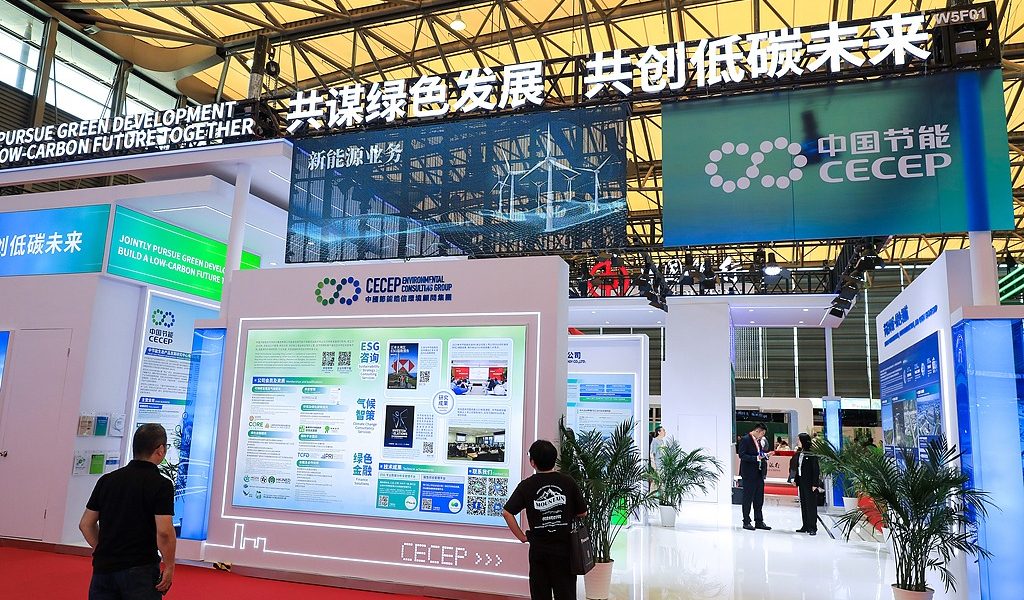
CECEP Tackles Climate Change with Ambitious Low-Carbon Plans
China Energy Conservation and Environmental Protection Group, or CECEP, is betting big on a low-carbon future with its latest initiative to develop a full-chain low-carbon service system. This move comes as the world’s second-largest economy continues to grapple with the challenges of reducing carbon emissions and mitigating the effects of climate change.
Five Key Pillars of CECEP’s Low-Carbon Strategy
At the heart of CECEP’s plan are five key areas of focus: energy efficiency, renewable power, resource recycling, digital carbon management, and zero-carbon industries. By addressing these areas, CECEP aims to create a more sustainable future for China and beyond. Energy efficiency will involve implementing cutting-edge technologies to reduce energy consumption in buildings and industries, while renewable power will be harnessed through solar, wind, and other clean energy sources. Resource recycling will enable the company to minimize waste and promote a circular economy, and digital carbon management will allow for real-time monitoring and tracking of carbon emissions. Finally, zero-carbon industries will involve the development of innovative technologies that produce no emissions at all.
What this means
CECEP’s comprehensive approach to low-carbon development has significant implications for the future of energy production and consumption. If successful, this initiative could help China reduce its carbon footprint and transition to a more sustainable energy mix. This, in turn, could set a precedent for other countries to follow, paving the way for a global low-carbon economy.
The Chinese government has set ambitious targets to achieve carbon neutrality by **2060**, and CECEP’s efforts are a crucial step towards meeting this goal. By investing in low-carbon technologies and strategies, CECEP is positioning itself as a leader in the transition to a more sustainable future. This shift has the potential to create new economic opportunities, improve public health, and mitigate the impacts of climate change.