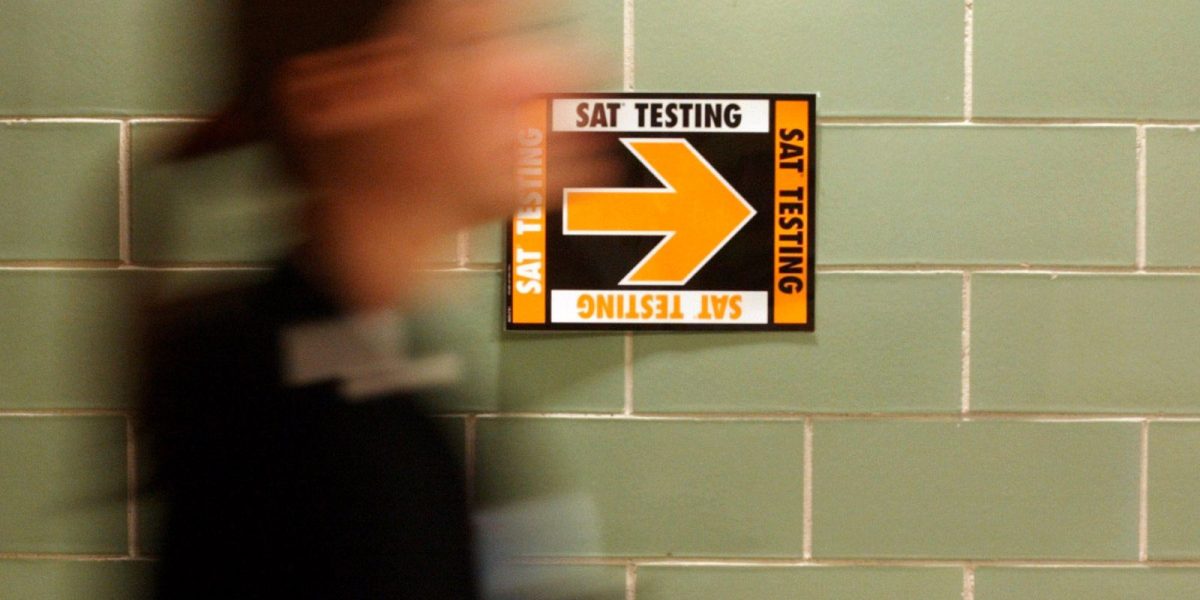
**The SAT Turns 100: A Test of Its Relevance**
A century ago, **100,000 students** across the United States took the first-ever SAT, a standardized exam designed to measure college readiness. Today, relatively few colleges require the test, sparking questions about its future. As the American higher education system continues to evolve, so too does the role of the SAT.
The SAT has undergone significant changes since its inception. In the 1920s, the test focused on grammar, vocabulary, and math skills. Today’s version includes optional essays and a more nuanced approach to assessing a student’s abilities. The College Board, which administers the SAT, has introduced initiatives like the ‘Adaptive Testing’ system, which tailors the exam to each student’s performance.
However, despite these efforts, the SAT has faced criticism for being a narrow measure of a student’s potential. Proponents argue that it provides a level playing field, allowing colleges to compare applicants from different backgrounds. Detractors counter that the test perpetuates inequality, penalizing students from underfunded schools and those with limited access to test preparation resources.
The shift away from SAT requirements has accelerated in recent years. According to a 2020 report, only about 30% of colleges require the SAT as a condition of admission. Many institutions have adopted holistic approaches, considering a broader range of factors, such as extracurricular activities, community service, and letters of recommendation.
Some experts believe the SAT’s decline reflects a broader trend: a growing recognition that standardized tests are insufficient measures of a student’s abilities. “The SAT is just one piece of a much larger puzzle,” says Bob Schaeffer, a veteran critic of the test. “Colleges need to move beyond the narrow metrics of standardized tests.”
**The Future of the SAT: A More Nuanced Approach?**
As colleges continue to reevaluate the role of standardized tests, the SAT’s future remains uncertain. Some speculate that the test will adapt to these changing times, incorporating more nuanced measures of a student’s abilities. Others predict that the SAT will face even greater scrutiny, potentially leading to its eventual demise. Regardless of the outcome, one thing is clear: the SAT’s hundred-year history has given way to a new era in American higher education.