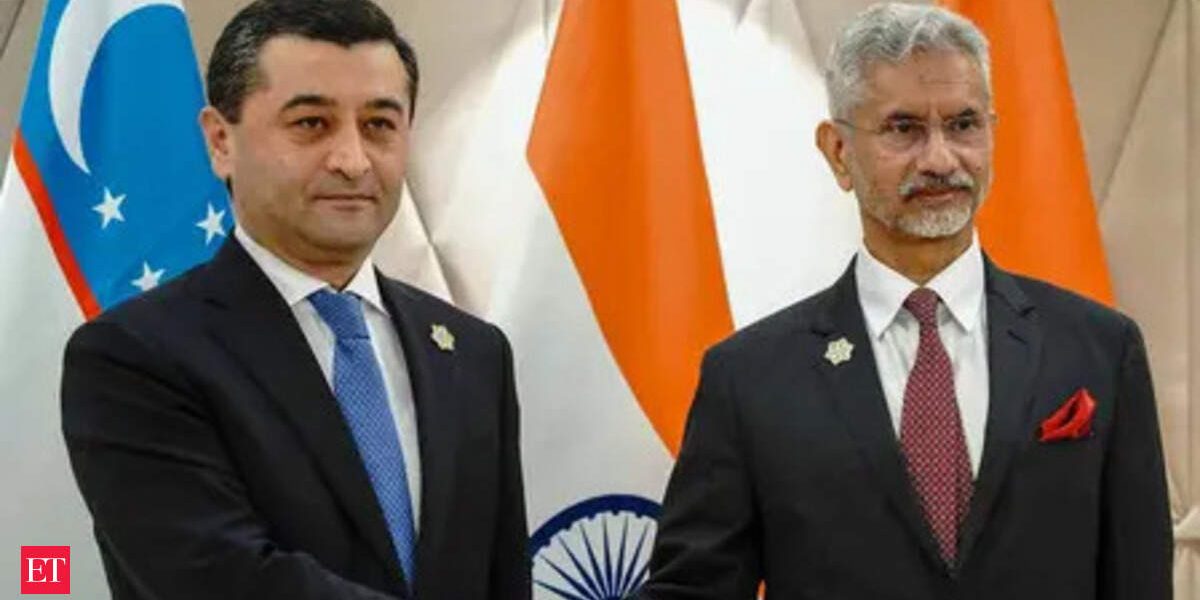
India and Uzbekistan Just Dropped a Big Trade Promise: Doubling Bilateral Trade in 3 Years.
Last week, the Indian government announced an ambitious plan to double bilateral trade with Uzbekistan in the next three years. The goal was set at the Intergovernmental Commission, a regular meeting between the two nations’ top officials.
Discussions at the commission centered around boosting exports of critical sectors like pharmaceuticals, medical devices, automotive goods, and machinery. It’s not hard to see why: trade between the two countries currently stands at a relatively modest $1.4 billion.
But with their combined economies projected to grow, experts say this deal has the potential to create new opportunities for Indian companies looking to expand into Central Asia. Uzbekistan, in turn, will gain access to a broader range of Indian products and services.
What this means: As a result, we can expect to see Indian businesses exploring new markets in Uzbekistan and surrounding countries. This could lead to a surge in exports of high-quality pharmaceuticals, medical devices, and automotive parts.
The Road Ahead
However, there are challenges to overcome. Non-tariff barriers, such as customs clearance and certification issues, have hindered trade between the two nations in the past. To overcome these obstacles, India and Uzbekistan have agreed to establish a joint working group that will address these concerns.
Government officials also plan to establish a special economic zone in Uzbekistan, which will offer tax breaks and other incentives to Indian businesses. This move is expected to attract more investors from India and boost trade volumes.
A New Era of Cooperation
With its large population and growing economy, India is a key player in regional trade dynamics. Uzbekistan, too, has been actively seeking to expand its trade ties with other countries in the region.
This deal marks a significant step towards strengthening ties between the two nations and creating a more cooperative economic environment in Central Asia. As trade growth accelerates, we can expect to see increased economic activity and investment in both countries.