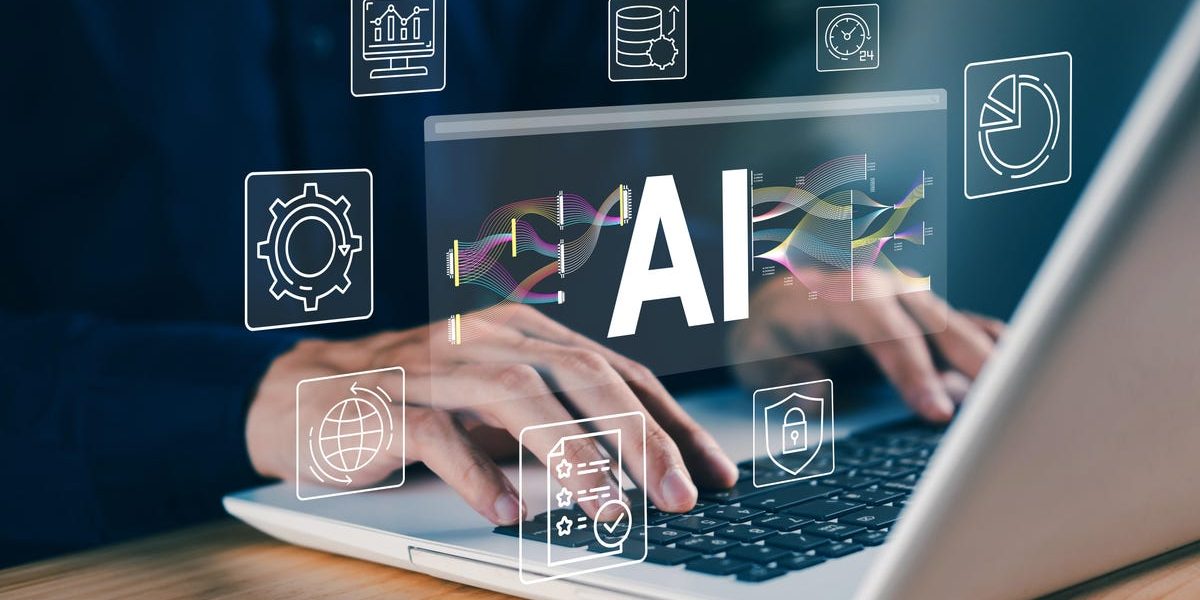
Americans are embracing AI in their daily lives, but trust in the tech is dwindling.
A recent survey reveals a striking paradox: despite widespread skepticism about the impact of AI, more and more Americans are using AI-powered tools, services, and products than ever before. This discrepancy highlights a pressing concern: as AI becomes increasingly inescapable, public trust in its development and regulation is waning.
Americans’ Growing Skepticism
According to a recent survey, 61% of US adults express concerns that AI will have a negative impact on society. This number has grown significantly over the past few years, with a notable increase in anxiety about job displacement, social manipulation, and the potential for AI to exacerbate existing social biases. This skepticism is not limited to the general public; experts and tech leaders are also sounding the alarm, citing the need for greater transparency and accountability in AI development.
The Rise of AI Adoption
Meanwhile, AI adoption continues to soar. From virtual assistants like Siri and Alexa to personalized product recommendations on online shopping platforms, AI is now ubiquitous in daily life. In 2022, a staggering 70% of US adults reported using AI-powered tools to perform tasks such as scheduling appointments, ordering food, and tracking fitness goals. This growth shows no signs of slowing down, with AI adoption expected to reach 90% of households within the next five years.
What This Means
So, what does this paradox mean for Americans? In short: trust in AI is not keeping pace with its adoption. As AI becomes increasingly embedded in our lives, we risk losing control over its development and deployment. Governments, tech companies, and experts must work together to address public concerns and ensure AI is developed and used responsibly. By fostering greater transparency, accountability, and citizen engagement, we can build trust in AI and harness its potential to drive positive change.