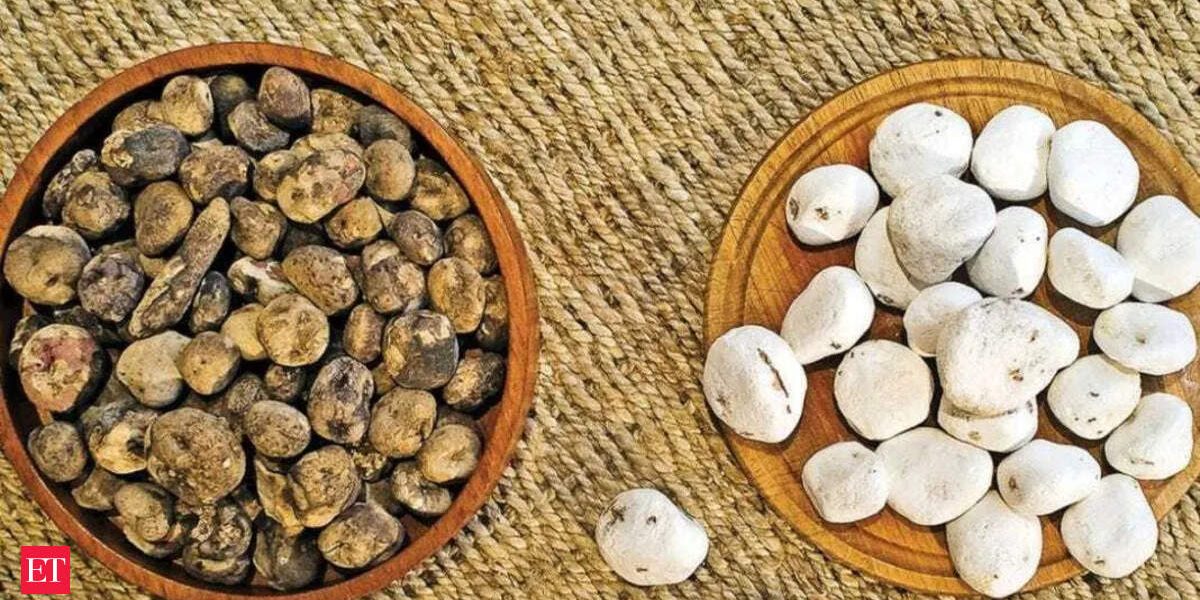
Ancient Space Food Uncovered: 500-Year-Old Freeze-Dried Potatoes
Archaeologists in southern Peru have unearthed a remarkably preserved 500-year-old jar containing freeze-dried potatoes, a discovery that’s blowing the lid off our understanding of the Inca Empire’s food preservation techniques and trade networks. Tambo Viejo, the ancient Inca coastal site where the jar was found, is giving up its secrets, and they’re a real culinary revelation.
The jar, which was likely used to store chuño, a type of freeze-dried potato, has been dated to the 16th century, a time when the Inca Empire was at the height of its power. What’s remarkable about the discovery is that the potatoes inside are still intact, a testament to the ingenuity of the ancient food preservation techniques. For centuries, researchers have known about the Inca’s use of freeze-drying to preserve food, but this find is providing unprecedented insight into the scale and complexity of their food systems.
Ancient Trade Networks Exposed
The discovery at Tambo Viejo suggests that the Inca Empire had a sophisticated network for moving food across the Andean mountains and coastlines. The freeze-dried potatoes were found in a region that was previously thought to be too wet and humid for the Inca’s food preservation techniques to be successful. But it appears that the Incas were able to transport chuño to this region, demonstrating a remarkable level of organization and logistical prowess.
What this means
This discovery has significant implications for our understanding of ancient civilizations and their ability to adapt to challenging environments. The Inca Empire’s food preservation techniques, which were once thought to be relatively simple, are now revealed to be highly sophisticated and complex. This find also highlights the importance of considering the cultural and historical contexts in which ancient civilizations developed, and how their innovations can inform our own approaches to food production and preservation.