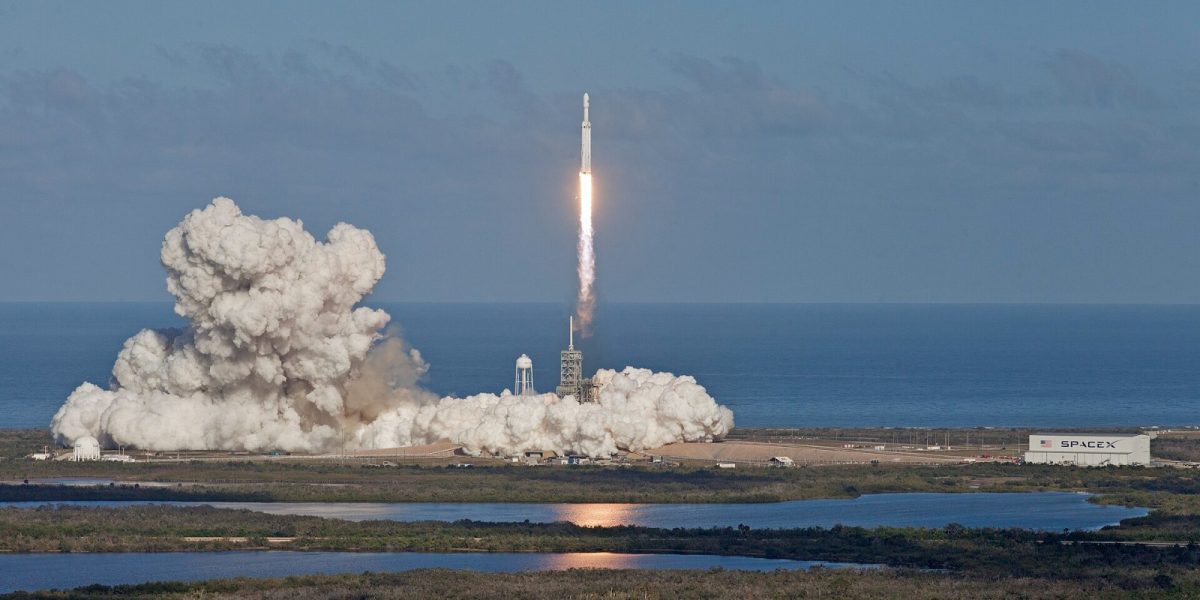
SpaceX’s $75 billion IPO is the largest on record, catapulting a 24-year-old private company into the public eye with a balance sheet, quarterly disclosure, and a founder still firmly in control.
The sheer scale of the offering is staggering: 555,555,555 shares of Class A common stock were priced at $135.00 each, generating a windfall that will fuel Elon Musk’s ambitions in space exploration, satellite internet, and AI compute.
SpaceX’s Three Key Business Arms
When you look at where SpaceX will put this influx of cash, it’s clear that the company is doubling down on its core strengths. Musk has earmarked funds for:
Rockets: This is the bread and butter of SpaceX’s business. With the Starship program still underway, the company will continue to focus on developing reusable rockets that can carry both people and cargo to the Moon, Mars, and other destinations in the solar system.
Satellites: SpaceX has been making waves with its Starlink satellite internet constellation, which has already demonstrated the potential to provide high-speed internet access to remote and underserved communities. With this funding, the company will continue to build out its satellite network and expand its customer base.
AI Compute: As more of its systems and infrastructure go online, SpaceX is generating a huge amount of data that requires processing. The company is investing in AI compute to help it analyze this data, improve its decision-making, and drive innovation in fields like machine learning and computer vision.
A New Era for Public Disclosure
With its new public status, SpaceX will be required to submit quarterly financial reports and provide more detailed information about its business operations. This will give investors a better sense of how the company is performing and what to expect in the future.
Musk has already signaled that he plans to maintain a tight grip on the company, with SpaceX’s governance structure designed to give him significant control over key decisions. This will likely be closely watched by investors, who will be eager to see how the company navigates its new public life.
What this means
For one, it’s a validation of Musk’s vision for a private space industry that’s driven by innovation and technological advancements. The $75 billion raised by SpaceX will help fuel this vision, with implications that extend far beyond the company’s own fortunes.
As the company looks to the future, investors and observers will be watching closely to see how SpaceX’s new public status shapes its strategy, its financial performance, and its impact on the world.