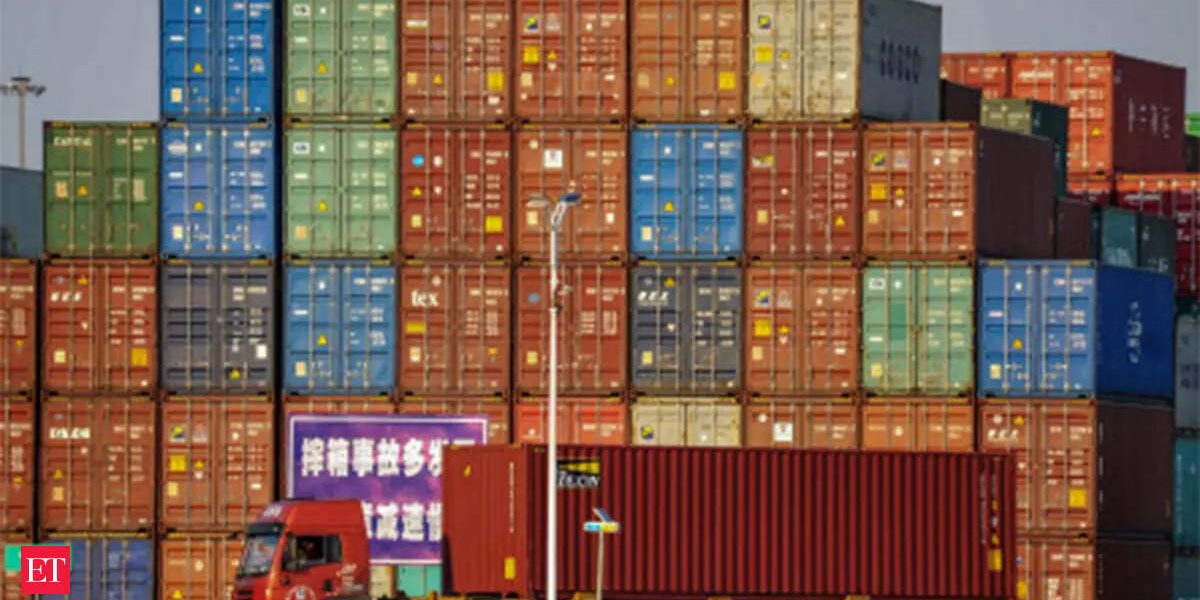
The US tariffs imposed on Chinese goods have failed to curb China’s manufacturing strength, with Beijing posting a record $1.2 trillion trade surplus by redirecting exports away from the US and into Europe and Asia.
China’s Manufacturing Might Unfazed by US Tariffs
The eight-year economic campaign waged by the United States against China has not had the desired effect. US tariffs on Chinese products have been in place since 2018, but China’s industrial prowess remains unscathed.
A key factor in China’s success has been its ability to redirect exports away from the US and into other markets. According to data, China’s trade surplus has ballooned to a record $1.2 trillion this year, with the majority of this being directed towards Europe and Asia.
Raising Concerns at G7 Summit
The news has raised concerns among European leaders, who fear that China’s surging exports could threaten their economies. At the recent G7 summit, the issue was a major point of discussion, with leaders voicing their concerns about the potential impact on trade and economic stability.
Strong economic ties between China and Europe have been a key aspect of the Belt and Road Initiative, a massive infrastructure project aimed at connecting China with the rest of the world. However, the influx of Chinese goods into European markets has raised concerns about the potential for Chinese dominance in key sectors.
What this means
The failure of US tariffs to curb China’s manufacturing strength highlights the need for a more nuanced approach to trade policy. The surging exports of China pose a significant risk to European economies, and policymakers must take steps to mitigate this risk. This could involve implementing safeguards to protect key industries, as well as engaging in more open dialogue with China about trade practices and economic cooperation.