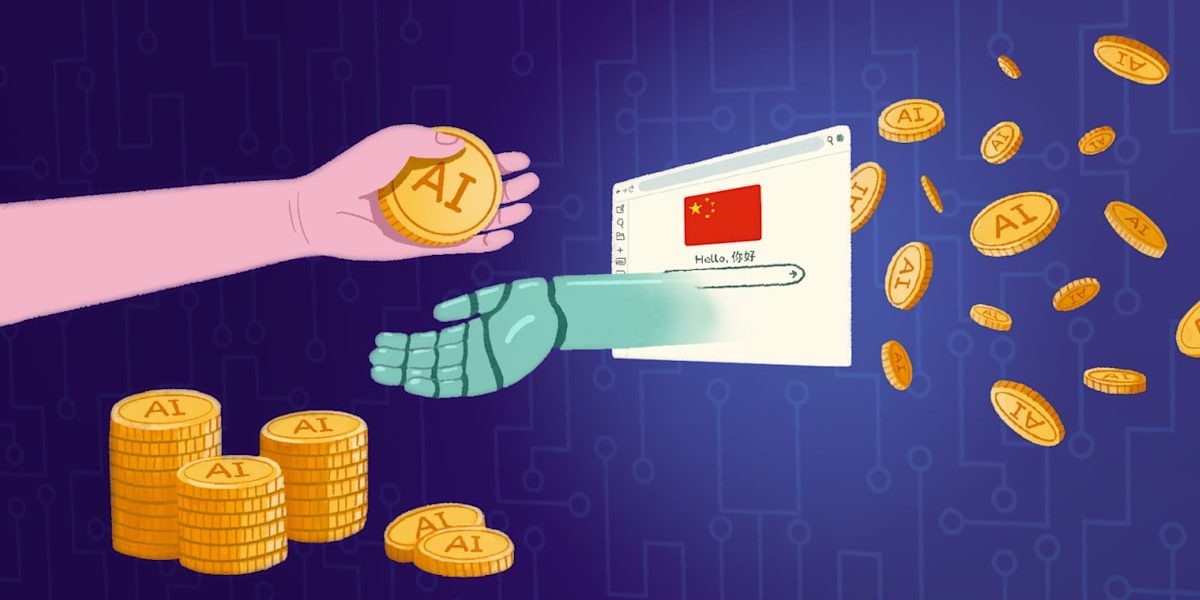
Chinese Telecom Giants Are Betting Big on AI Tokens, and the Global AI Landscape Will Never Be the Same
China Telecom, one of China’s three major state-backed mobile operators, just unveiled a nationwide token-based system that lets developers build and monetize applications directly on the network, bypassing traditional app stores. This move is just the latest sign that China’s rapidly expanding token economy is about to upend the AI landscape in profound ways.
**A New Economic Model for AI**
In the past, developing AI models required significant upfront costs, often involving expensive hardware and software. But with the rise of AI tokens, these costs are being dramatically reduced. AI tokens create a new economic model, where developers can access powerful AI computing resources at a fraction of the cost, by buying and selling tokens that give them a claim on those resources.
This model is particularly appealing to developers in China, where the government is actively encouraging the development of a robust AI industry. China’s National Development and Reform Commission has already set ambitious targets for AI development, with the goal of making China a world leader in AI by 2030.
**China’s Big Bet on Scale**
China Telecom’s token-based system is just one part of a much larger strategy to create a massive, interconnected network of AI resources that can be accessed by developers across the country. Chinese telecom operators are betting big on the idea that by creating a shared economy of AI tokens, they can tap into the enormous potential of the global AI market.
What this means for developers is that they’ll have access to vastly more powerful AI resources, at a fraction of the cost, making it easier to build and deploy AI-powered applications. But it also means that the security risks associated with these new systems will need to be carefully managed, to prevent unauthorized access to sensitive data.
**A Global AI Revolution in the Making**
The implications of China’s token economy for the global AI landscape are profound. As Chinese telecom operators continue to expand their networks and develop new AI-powered applications, the cost of entry for developers will drop dramatically, opening up new opportunities for innovation and entrepreneurship.
However, it also means that the global AI industry will need to contend with a new, powerful player that’s committed to creating a massive, interconnected network of AI resources. For developers and entrepreneurs, the stakes are higher than ever – but the potential rewards are also greater than ever.