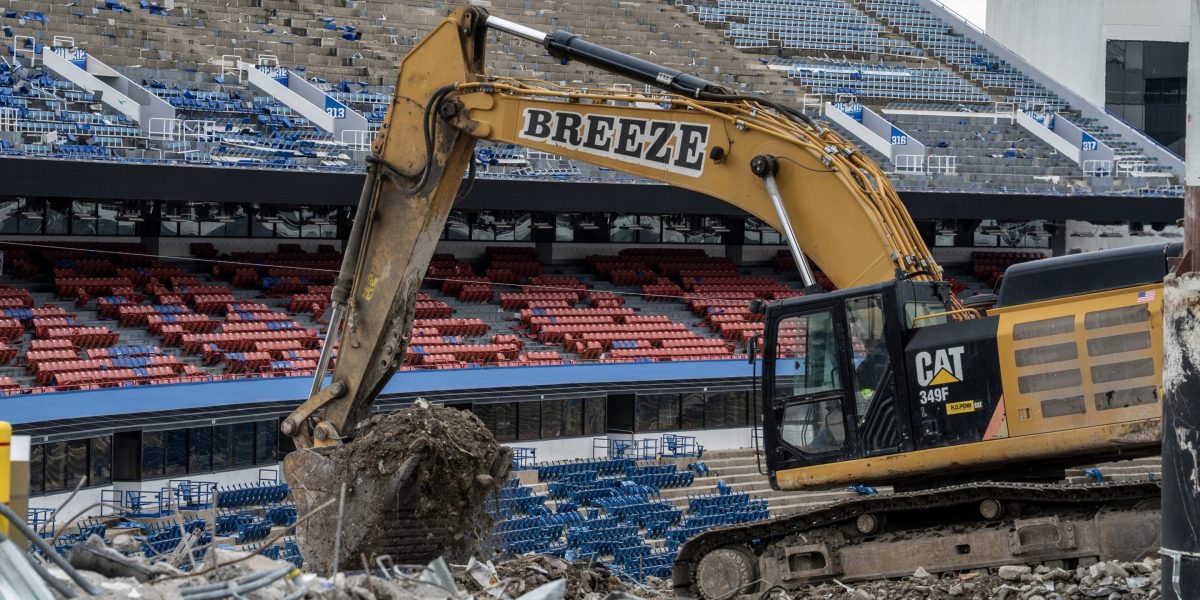
American taxpayers have just spent $33 billion on sports stadiums, yet the results are a far cry from what fans expect: fewer seats and higher prices.
The Highmark Stadium Fiasco
When the Buffalo Bills open their new $2.2 billion stadium, Highmark Stadium, in September, they’ll be debuting the NFL’s smallest venue with just 60,108 seats. This is despite the old stadium holding 71,608 fans. It’s not just a case of the Bills downsizing; the trend of shrinking capacities is a widespread issue in American sports.
The reason behind this trend isn’t surprising. According to experts, no sports team has ever opened a new stadium with cheaper tickets. In fact, when asked about potential ticket price drops, Mark Hamrick, the Bills’ vice president of communications, bluntly stated: “No one has ever built a new stadium and made tickets cheaper. No one’s trying to.”
With ticket prices skyrocketing, fans are left wondering if the $33 billion spent on sports stadiums is a worthwhile investment. The numbers don’t lie: the average ticket price for an NFL game has increased by 22% over the past five years.
A Ticket Price Crisis
So, what’s driving the hike in ticket prices? The answer lies in the lucrative sponsorship deals and premium seating areas that now dominate modern stadiums. Luxury suites and club seats, which often come with hefty price tags, are the main source of revenue for sports teams. To justify these expensive upgrades, teams must increase ticket prices.
Meanwhile, the seats that matter most to fans – those in the lower levels and closer to the action – are being replaced with expensive suites and VIP areas. As a result, the available seats for casual fans are dwindling, forcing them to pay even higher prices for the few remaining options.
What This Means
For American sports fans, the $33 billion spent on stadiums is a stark reminder that the bottom line is now the top priority. What was once a community-focused experience has become a multi-million-dollar business. It’s unlikely that ticket prices will drop anytime soon, and fans are already feeling the pinch.
In the end, it’s a harsh reality check for fans and taxpayers alike: the American sports stadium is no longer about the game, but about the money.