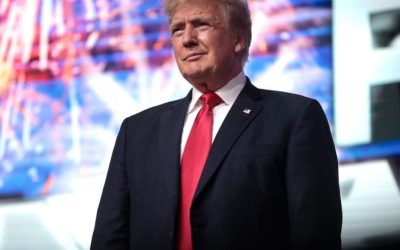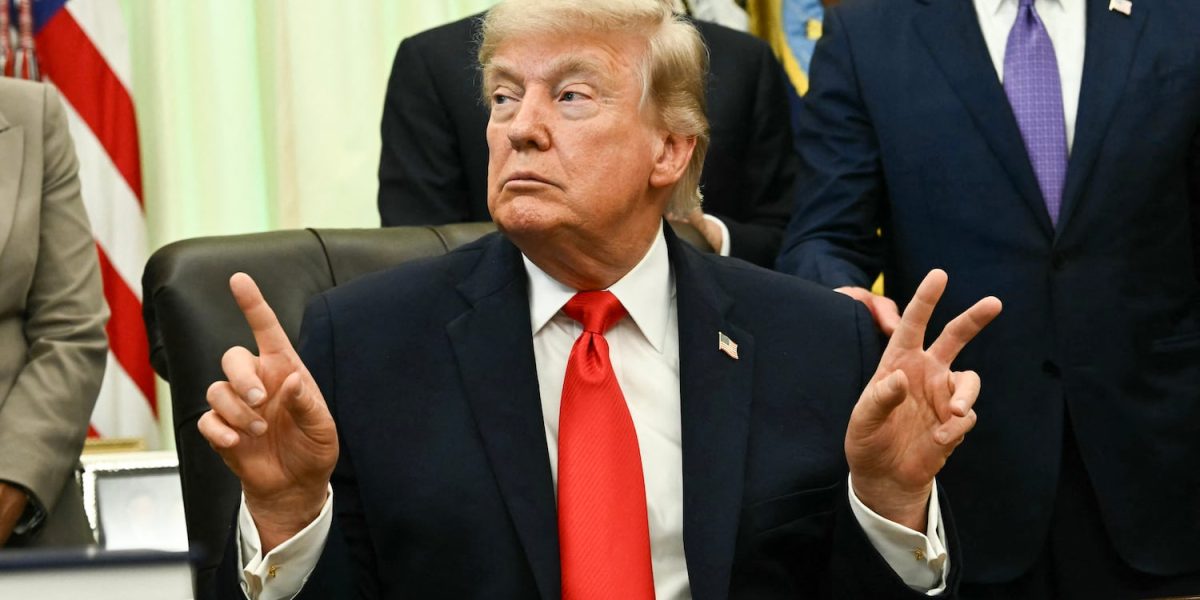
Donald Trump recently announced that he’s put off planned strikes on Iran, citing “deal progress.” The move has sparked surprise and skepticism from observers and analysts.
The decision not to launch strikes comes after Trump claimed that Iran was making concessions in talks aimed at reviving the Iran nuclear deal, officially known as the Joint Comprehensive Plan of Action (JCPOA). The agreement, which was brokered by the Obama administration in 2015, imposed strict limits on Iran’s nuclear program in exchange for relief from economic sanctions.
What’s really happening?
However, Iranian news reports indicate that Tehran has not yet agreed to a deal. The conflicting signals have raised concerns about the White House’s intentions and whether Trump is simply trying to avoid a confrontation with Iran.
Consequences and implications
The JCPOA has been a contentious issue in the Middle East for years, with Iran’s nuclear ambitions and the U.S.’s withdrawal from the agreement in 2018 contributing to heightened tensions. The current negotiations, which are taking place in Vienna, have been aimed at reviving the deal and restoring some level of stability in the region.
The cancellation of the U.S. strikes on Iran has significant implications for global security, particularly in the Middle East. The move could potentially embolden Tehran to continue its aggressive behavior, while also undermining the credibility of the U.S. as a global leader.
Watch this space
The situation in Iran remains fluid, and the outcome of the Vienna talks is far from certain. As the situation continues to evolve, it’s essential to stay informed about the latest developments and how they might impact the global community.
What this means: The cancellation of the U.S. strikes on Iran may be a temporary reprieve, but it doesn’t necessarily signal a longer-term shift in the U.S.’s approach to the Middle East. As tensions continue to simmer, it’s crucial for policymakers and observers to remain vigilant and adapt to the rapidly changing landscape.