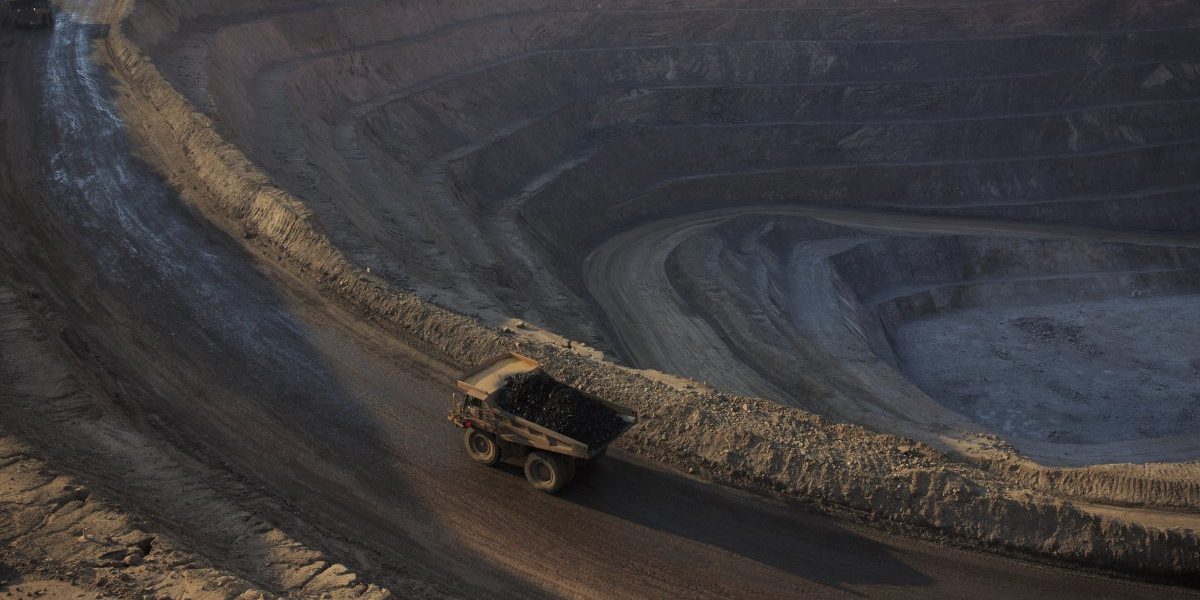
The US government has announced plans to invest heavily in critical minerals in the Democratic Republic of Congo, a move that has raised concerns about corruption and human rights abuses in the region.
The DR Congo has an estimated 70% of the world’s cobalt, a key component in electric vehicle batteries and other tech products. American companies are keen to tap into this rich mineral resource, which is also a major source of revenue for the government.
However, the country’s mining sector has a long history of corruption and exploitation of local communities. Cobalt mining in the DR Congo has been linked to child labor, environmental degradation, and violence.
The US government has promised that its investments will bring benefits to the local population and improve the country’s infrastructure. Secretary of State Antony Blinken has announced that US companies will be required to adhere to strict human rights and environmental standards in the country.
Critics argue that the US government’s approach is too soft, and that stronger measures are needed to address the systemic issues plagging the DR Congo’s mining sector.
The US government’s investments in critical minerals in the DR Congo are a significant development in the global tech landscape, where demand for sustainable and responsible sourcing of materials is increasing.
What this means
For consumers, this means that the companies they buy products from will need to demonstrate that their supply chains are free from human rights abuses and environmental degradation. As tech products become increasingly tied to the DR Congo’s mineral resources, consumers will have more leverage to demand accountability from companies.
The development also highlights the complex and often fraught relationship between Western countries and African nations, where extraction of natural resources has often led to exploitation and conflict.
The Stakes
The stakes are high, both for the people of the DR Congo and for the global tech industry. If companies fail to adhere to strict human rights and environmental standards, they risk facing reputational damage and financial penalties.
A Path Forward
To address the systemic issues plagging the DR Congo’s mining sector, the US government and American companies will need to work closely with local communities, NGOs, and international organizations to develop and implement sustainable mining practices.
Only by prioritizing transparency, accountability, and community engagement can the US government’s investments in critical minerals in the DR Congo truly deliver on its promise of peace, prosperity, and dignity for the local population.