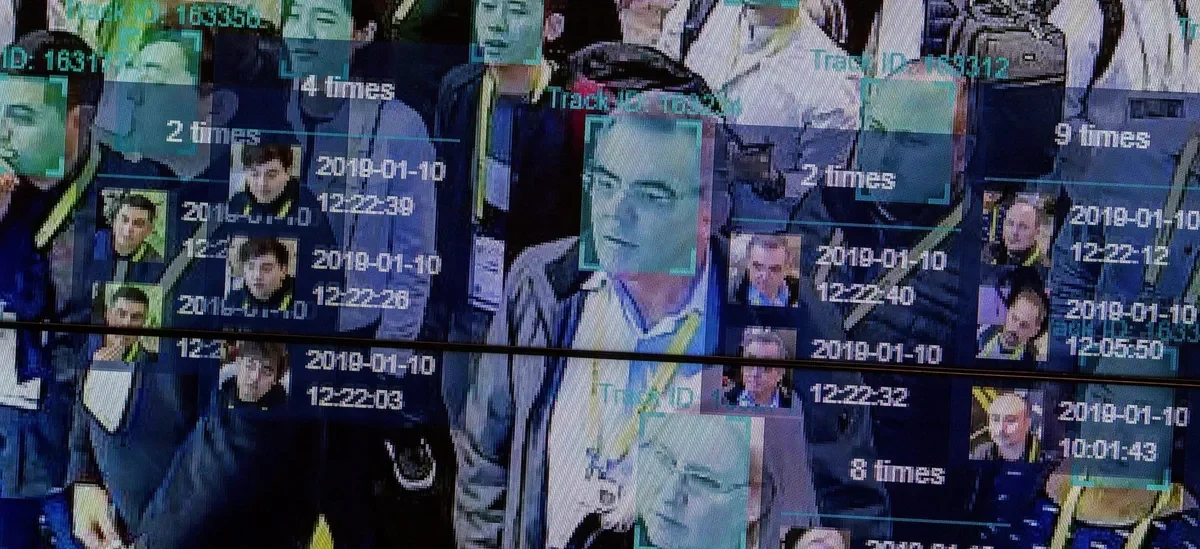
Facial Recognition Fails: Florida Man Sues Police Over AI Error
Robert Dillon, a Florida man, has filed a lawsuit against the police for what he claims is a wrongful arrest caused by an artificial intelligence facial recognition system. This case highlights the risks of relying on AI-powered technology in law enforcement.
Dillon was arrested in 2023 for allegedly trying to purchase a stolen vehicle, but he insists he was misidentified by the facial recognition system. The police reportedly used Clearview AI, a facial recognition platform that’s drawn controversy for its use of billions of photos scraped from social media and other online sources. Dillon’s lawsuit alleges that the error was caused by a misalignment of his face in the database.
The incident raises serious questions about the accuracy and reliability of facial recognition technology, particularly in high-stakes situations like arrests. While AI-powered facial recognition systems are becoming increasingly common, they’re not always foolproof. In this case, Dillon’s arrest was later dropped, but not before he’d spent time in jail.
The Risks of Relying on AI in Law Enforcement
This case is a stark reminder that AI is only as good as the data it’s trained on. If the facial recognition system used in Dillon’s case was not properly trained or maintained, it’s possible that it would produce inaccurate results. This highlights the need for law enforcement agencies to carefully consider the risks and limitations of using AI-powered technology.
The Consequences of Facial Recognition Errors</hassistant
What this means is that law enforcement agencies need to be more vigilant about the accuracy of AI-powered facial recognition systems. They should also ensure that individuals have a clear process for contesting wrongful identifications and seeking recourse when errors occur.
The Dillon case is a cautionary tale about the importance of human oversight in AI decision-making. While AI can be a powerful tool, it’s not a substitute for good old-fashioned detective work.
As AI continues to play a larger role in law enforcement, it’s essential that we prioritize transparency, accountability, and caution when it comes to these systems. The risks of relying on AI are real, and it’s up to us to mitigate them.