Jalil Richardson’s Name Clears, But the AI System That Got Him Wrong Remains Unaccountable
A Charlotte resident was wrongly arrested and imprisoned for months after a flawed AI-powered facial recognition system misidentified him as a suspect.
Richardson’s ordeal began when Proteus, a company based in North Carolina, provided the facial recognition system to law enforcement agencies in Florida and North Carolina.
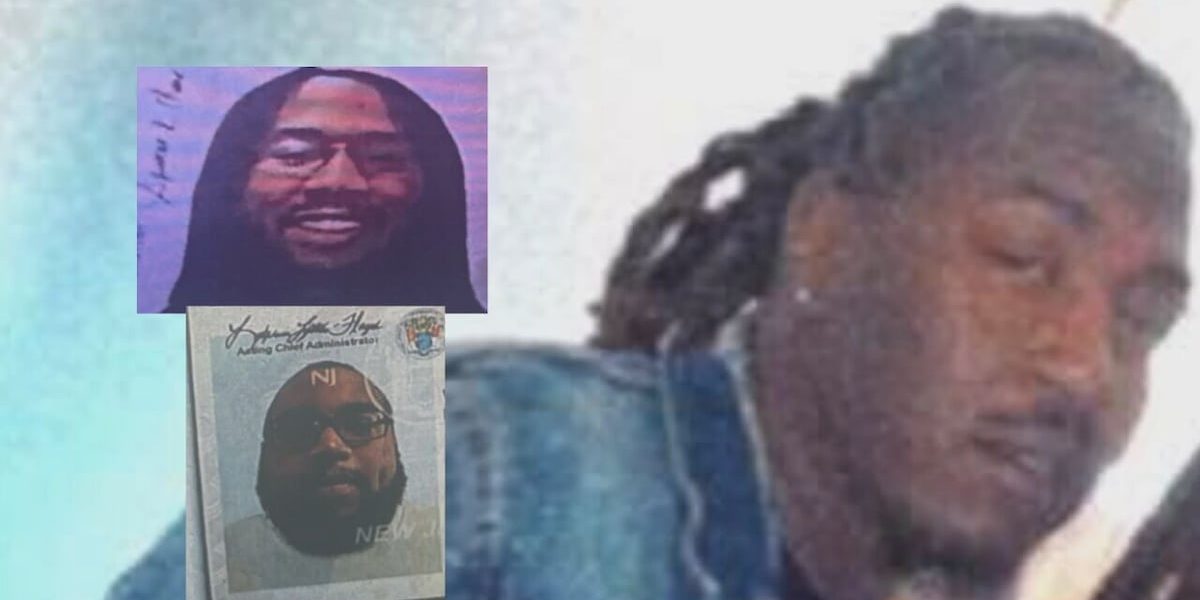
The system, designed to quickly identify suspects from surveillance footage, relies on deep learning algorithms to analyze and match facial features. However, during Richardson’s arrest, the software incorrectly identified him as the suspect in a string of convenience store robberies, allegedly based on a single grainy image with poor lighting and quality.
What this means: This incident highlights the perils of relying on untested AI systems in high-stakes applications like law enforcement, where human lives are at stake. AI systems should be thoroughly vetted and tested before being deployed in such critical areas.
Misuse and Misidentification
Richardson’s case raises serious concerns about the misuse and misidentification of AI-powered facial recognition technology. While the technology has the potential to be a valuable tool for law enforcement, its flaws have already led to numerous wrongful arrests and civil liberties abuses.
Transparency and Accountability
Proteus, the company responsible for the flawed facial recognition system, has yet to fully acknowledge its role in Richardson’s wrongful arrest. The company’s silence raises questions about its commitment to transparency and accountability, essential for rebuilding trust in AI-powered technologies.
As the use of AI-powered facial recognition technology continues to grow, it’s crucial that lawmakers and regulatory bodies take steps to address the risks and consequences of such technologies. Richardson’s case serves as a stark reminder of the need for greater oversight and accountability in the development and deployment of AI-powered systems.