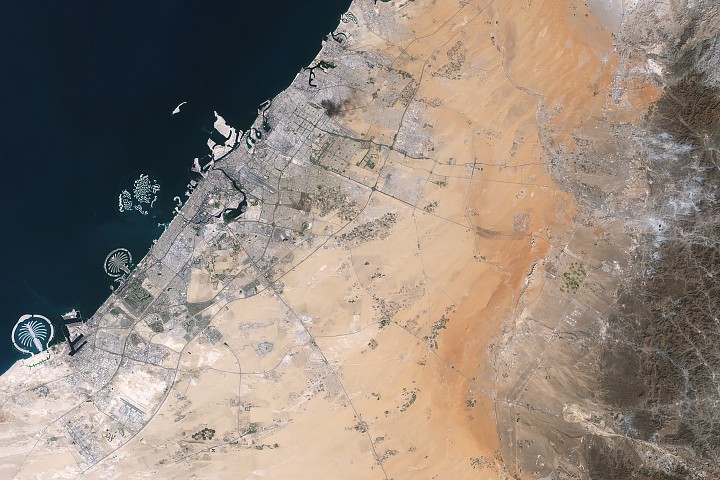
Jabal al Fāyah: Uncovering the UAE’s Ancient Past
Archaeologists in the United Arab Emirates have recently turned to AI-assisted excavation techniques to uncover the secrets of Jabal al Fāyah, a mountain that once stood beneath a shallow sea. The site, located about an hour’s drive east of Dubai’s towering skyscrapers, promises to reveal a glimpse into the lives of early humans who survived in this unforgiving landscape.
The Rub al Khali, also known as the Empty Quarter, is one of the world’s largest expanses of sand. Yet, beneath its surface, lies a complex geological history that has been shaped by millions of years of erosion, sedimentation, and tectonic activity. AI-powered tools are now being employed to analyze the site’s layered geological structure, allowing researchers to identify potential areas of interest.
AI Assisted Excavation
Researchers at the UAE’s Ministry of Culture and Knowledge Development, led by Dr. Mohammed bin Rashid Al Maktoum, are leveraging machine learning algorithms to analyze satellite and drone imagery of the site. These images provide a high-resolution map of the terrain, allowing AI to pinpoint potential buried artifacts, water sources, or other features that could be indicative of ancient human settlements.
Traditionally, archaeologists rely on manual excavation, often uncovering fragments of human history through trial and error. However, at Jabal al Fāyah, AI-assisted excavation is streamlining the process, helping researchers focus their efforts on areas where they’re most likely to find valuable insights. This strategic approach will allow the team to cover more ground, literally and figuratively, in the search for answers.
A Watershed Moment in UAE History
Jabal al Fāyah’s story stretches back millions of years, from its emergence as a mountain range to its eventual submersion beneath a shallow sea. As the landscape shifted and receded, it likely left behind remnants of ancient human populations, who adapted and evolved in response to these environmental changes. The discovery of artifacts, potentially dating back tens of thousands of years, could rewrite the UAE’s history books and shed new light on the lives of its earliest inhabitants.
What this means: AI-assisted excavation techniques are set to revolutionize the field of archaeology in the UAE, allowing researchers to uncover hidden secrets and rewrite the country’s history. As AI continues to enhance our understanding of the past, we may find that the most valuable insights lie not in the artifacts themselves, but in the stories they tell about the people who came before us.