A popular children’s toothpaste brand touted as safe and natural has been hit with a lawsuit alleging its use of a potentially toxic ingredient.
Lawsuit Targets Toothpaste with Toxic Ingredient
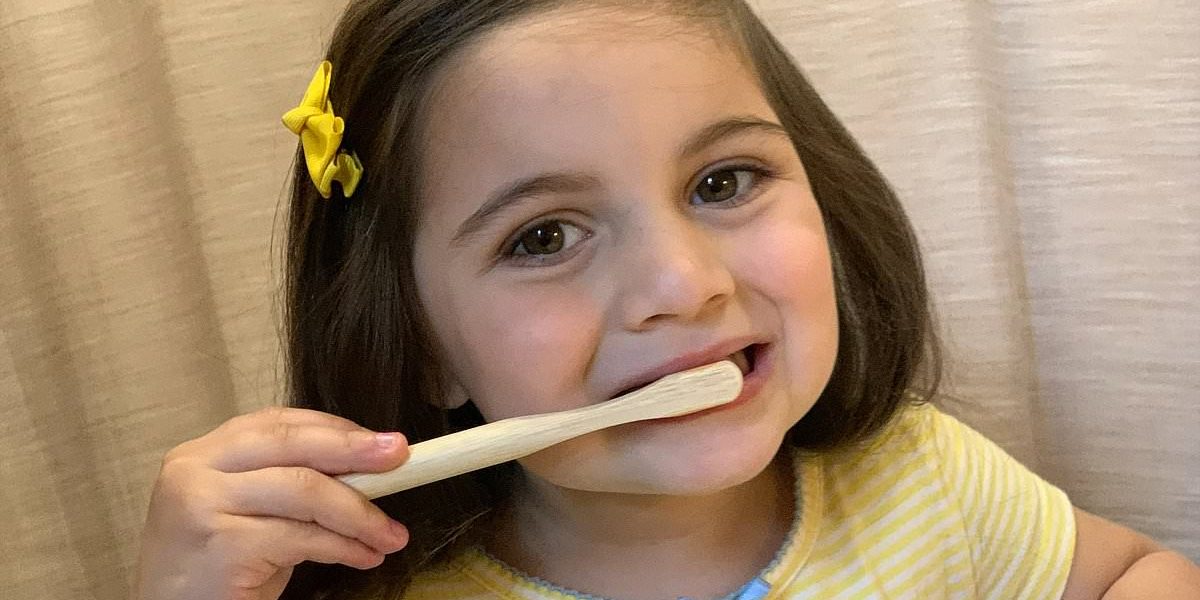
As a mom who reads labels before buying anything for my four-year-old daughter, I was stunned to learn that the toothpaste I trusted was hiding a problem that would alarm any parent. I am the type of mom who reads every label before buying a product for my child. The lawsuit claims that Colgate’s kids’ toothpaste contains **triclosan**, a chemical linked to hormonal problems and antibiotic resistance.
The lawsuit alleges that Colgate knew about the risks associated with triclosan but continued to use it in their products anyway. This news came as a shock to parents like me who trust brands like Colgate to keep our kids safe. It’s not just a matter of a single product, though – the bigger issue is the regulatory environment that allows companies to use these chemicals in the first place.
What this means
What this means for parents is that we need to be even more vigilant when it comes to the products we buy for our kids. We can’t rely on marketing claims or brands’ reputations alone. We need to read labels carefully and look for products that use natural ingredients and avoid toxic chemicals. This is especially important for kids’ products, where their developing bodies are more susceptible to harm from chemicals.
For consumers, this lawsuit highlights the need for greater transparency and accountability from companies. We need to demand better from the brands we trust, and support companies that prioritize our kids’ health and safety.
Regulatory Response
The lawsuit is just the latest in a long list of consumer complaints about the use of triclosan in personal care products. In 2014, the FDA banned the use of triclosan in antibacterial soaps, citing concerns about its safety. But this ban doesn’t apply to other products, like toothpaste. As a result, some states have begun to take matters into their own hands, passing their own laws to limit the use of triclosan.
The outcome of this lawsuit will likely have far-reaching implications for the personal care industry. As consumers, we owe it to ourselves and our kids to demand better from the brands we trust. We deserve to know what’s really in our toothpaste – and what’s not.