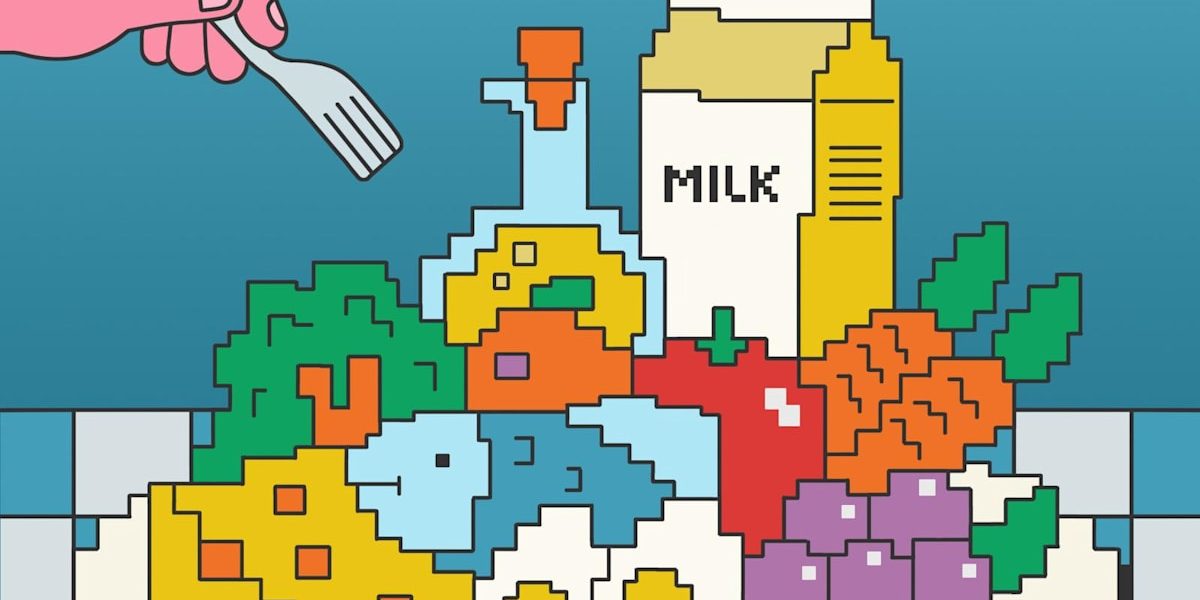
A chatbot prescribed Julie Bernstein a meat-heavy diet, contradicting her decades-long vegan lifestyle.
Chatbots are increasingly touted as a handy tool for getting personalized health advice, but experts are warning against taking their nutrition guidance too seriously. A recent flood of user-submitted stories from a popular health forum reveals the perils of relying on chatbots for meal planning.
According to the shared experiences, chatbots often recommend high-calorie, high-fat diets, sometimes contradicting established dietary guidelines.
**When algorithms outperform experts**
Chatbots use complex algorithms to analyze user input and offer tailored suggestions. These algorithms can be trained on large datasets of recipes, nutritional information, and user preferences. However, when it comes to personalized health advice, these models often prioritize convenience and user satisfaction over accuracy and scientific evidence.
**Expert caution: chatbots as a supplement, not a substitute**
Registered dietitian, Margaret Moore, emphasizes the importance of consulting a healthcare professional for personalized nutrition advice. “Chatbots are great for generating ideas or providing general information,” Moore says. “However, they’re not a replacement for human expertise. Dieticians and healthcare professionals take into account an individual’s unique health needs, medical history, and lifestyle factors.”
**What this means: Be cautious, not dismissive**
If you’re considering using a chatbot for meal planning, be aware of the potential pitfalls. Don’t blindly follow their recommendations, especially if they contradict established health guidelines. Instead, use chatbot suggestions as a starting point and consult with a healthcare professional to ensure you’re getting accurate and personalized advice.
When in doubt, prioritize evidence-based information and expert advice. Your health and well-being are worth the extra effort.
As chatbots continue to gain popularity, it’s essential to approach their nutritional advice with a critical eye. By doing so, we can harness the benefits of AI-powered meal planning while minimizing the risks.
**The future of nutrition advice: Human-AI collaboration**
As AI technology improves, it’s likely that chatbots will become increasingly sophisticated in their nutritional advice. However, for now, it’s crucial to view chatbot recommendations as a supplement to human expertise, not a replacement. By combining the strengths of both, we can create more effective and personalized nutrition plans.