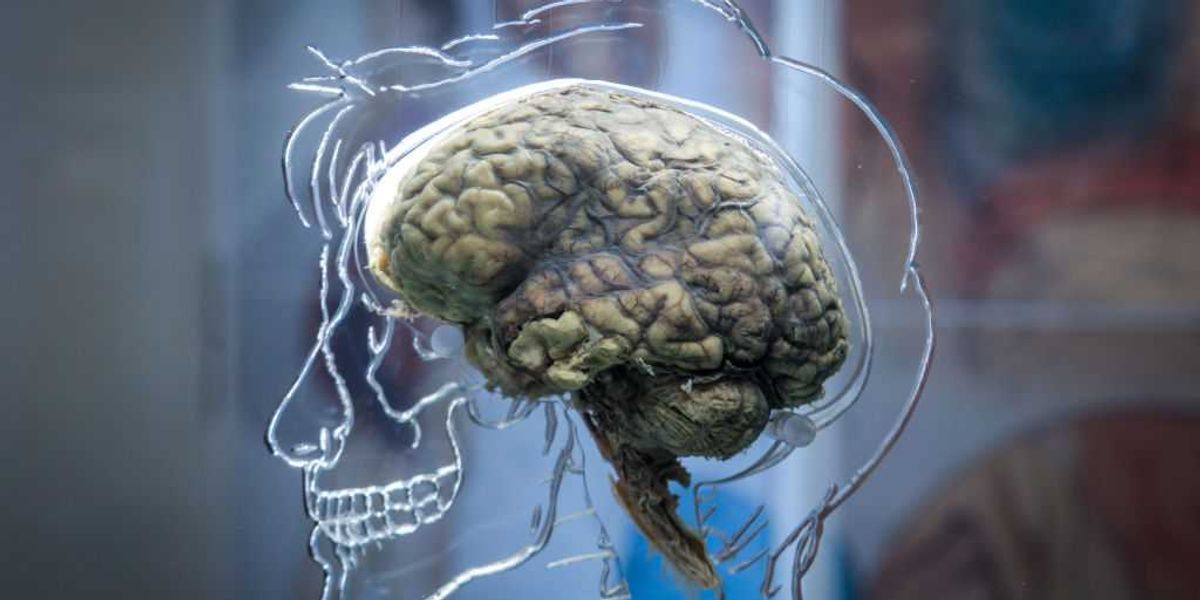
Dr. Sergio Canavero, a neurosurgeon from Italy, sparked outrage in 2016 by proposing a human head transplant. But that was just the beginning. A team led by Dr. Robert Sapolsky at Stanford University had already taken a different approach to experimenting with the human brain – and one of their key findings was quietly followed up by an American startup.
The Revival Experiment
Several years ago, a team of researchers obtained numerous pig brains from a slaughterhouse and revived them off-site for experimentation purposes. They attached the brains to a custom-built system, which kept them ‘alive’ for several days. This experiment has inspired a new company, called Nectome, to take it to the next level.
Nectome is a US-based startup with a mission to preserve the human brain after death. The company claims that it can effectively ‘suspend animation’ in human brains, allowing them to be kept ‘alive’ for extended periods. The ultimate goal is to use these preserved brains for drug testing and other medical research purposes.
The Dark Side of AI’s New Frontier
The company’s methods have sparked controversy, as they involve using a chemical cocktail to ‘freeze’ the brain at the moment of death. This process, called ‘aldehyde-stabilization,’ can preserve both the brain’s structure and its neural connections. However, it’s also been criticized for its potential to manipulate the brain’s state and raise questions about the ethics of experimenting on ‘dead’ tissue.
Nectome’s ambition to explore the frontiers of brain preservation has left many in the scientific community scratching their heads. While the company’s mission is to advance medical research, some see it as a step too far – into a gray area between life and death.
What This Means
The implications of Nectome’s research are more philosophical than practical – at least, for now. However, if successful, it could open up new avenues for medical research, allowing scientists to test drugs and treatments on preserved human brains. This could potentially speed up the discovery of new treatments for neurological disorders and diseases. The question remains: at what cost?