**RBI Keeps Key Policy Rate Unchanged: What Does This Mean for India’s Economy?**
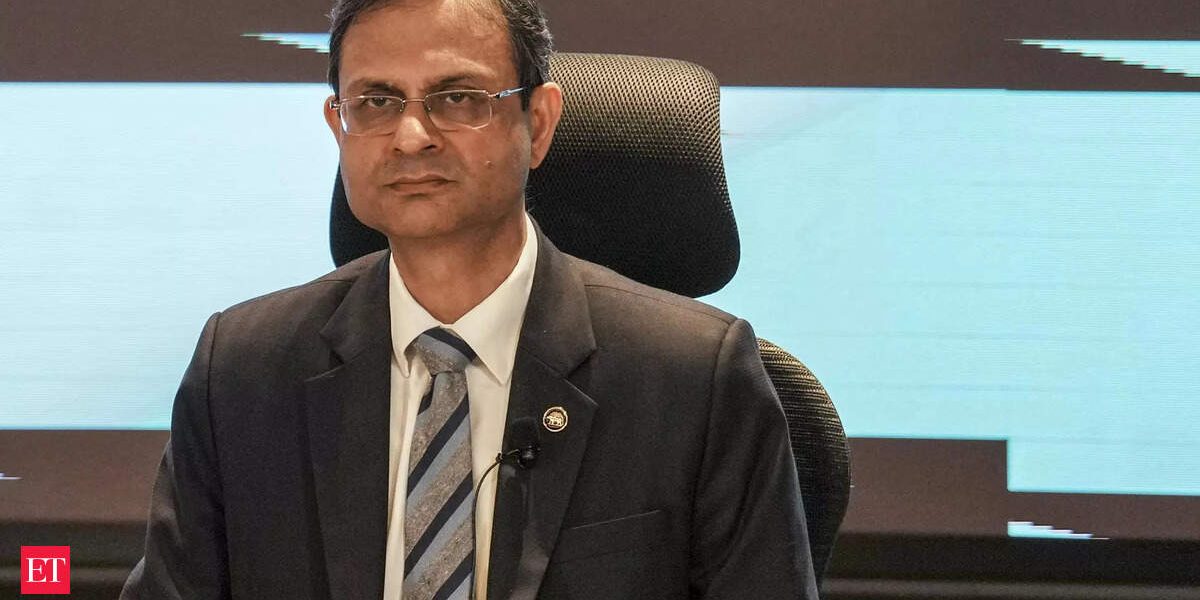
The Reserve Bank of India’s (RBI) Monetary Policy Committee (MPC) has decided to maintain the key policy rate at 5.25%, a move widely anticipated by economists. Governor Sanjay Malhotra announced the decision, citing a cautious approach amid global uncertainty.
**Maintaining Status Quo**
The RBI’s decision to keep the interest rate unchanged suggests that the central bank is prioritizing economic stability over aggressive rate hikes, which could have fueled inflation. This move acknowledges the global economic slowdown, particularly in the West, and the impact it may have on India’s economy. By keeping rates steady, the RBI aims to balance the need for growth with the need to control inflation.
**Impact on India’s Economy**
While the RBI’s decision may seem like a pause, it actually reflects a nuanced understanding of India’s economic landscape. The decision allows for continued growth, particularly in the manufacturing and services sectors, while also maintaining control over inflation. This cautious approach is likely to benefit the Indian economy in the short term, but its long-term implications are unclear.
**What This Means for You**
For Indian consumers, this decision means that borrowing costs will remain relatively low. Homeowners and businesses may continue to enjoy affordable loan rates, while consumers may see fewer interest rate hikes on their existing loans. However, this decision may also signal that the RBI is preparing for potential economic challenges ahead, which could lead to further rate hikes in the future.
**A Delicate Balance**
The RBI’s decision to keep the key policy rate unchanged is a delicate balance between promoting growth and controlling inflation. As the global economic landscape continues to evolve, the RBI will need to remain vigilant and adapt its monetary policy to ensure that India’s economy remains resilient.