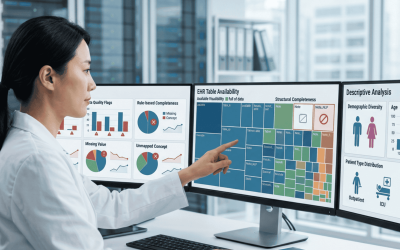
Teradata, a US-based cloud software company, has made the tough decision to freeze annual salary increases for its 5,100 employees in 2026, redirecting those funds towards expanding its artificial intelligence capabilities.
AI Over People, For Now
The move highlights the growing trend where companies prioritize AI investments over employee compensation, a shift driven by the increasing importance of AI in modern business environments. This decision affects around 50% of Teradata’s workforce, leaving many employees wondering what this means for their bottom line.
Teradata’s decision is not an isolated incident. In recent years, many companies have increased their AI-related expenditures, citing its potential to boost efficiency, innovation, and competitiveness. As the AI landscape continues to evolve, it’s likely that more firms will follow suit, forcing employees to adapt to a changing work landscape.
The Human Cost
The impact of this decision will be felt by employees who rely on salary increases to cover rising living costs, pay off debts, or invest in their personal and professional development. By not providing a cost-of-living adjustment or a merit-based raise, Teradata is essentially asking employees to bear the brunt of its AI investment costs.
This move also raises questions about the company’s priorities and the value it places on its workforce. In an era where employee satisfaction and retention are crucial for business success, this decision may have long-term consequences for Teradata’s reputation and talent acquisition efforts.
What This Means for Employees
For the 5,100 Teradata employees affected by this decision, it means a potential hit to their purchasing power and financial stability. In a tight labor market, this move might make the company less attractive to top talent and may lead to increased turnover, ultimately affecting its competitiveness.
As AI continues to transform the way companies operate, employees need to be aware of the shifting priorities in the workplace and plan accordingly. This decision serves as a reminder that the benefits of AI may not necessarily trickle down to employees, at least not yet.