Surabaya’s Challenge: Balancing Growth with Tradition
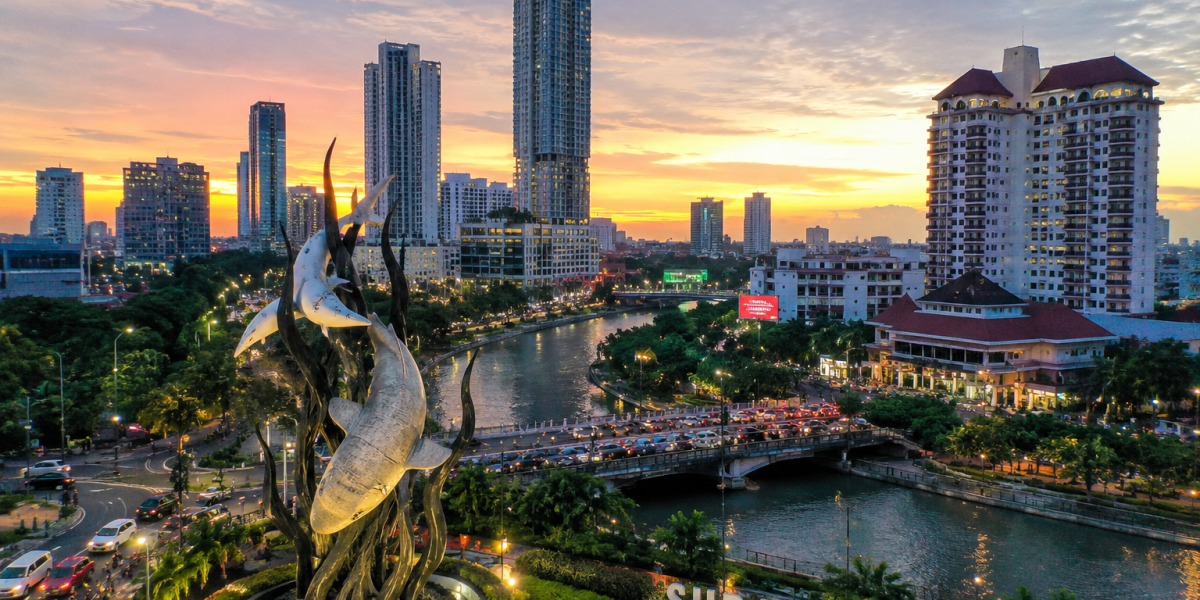
As **Surabaya** approaches 733 years of existence, the city’s residents are grappling with a paradox: how to sustain growth without sacrificing the very spirit that makes it thrive. Behind its congested streets, burgeoning business districts, and rural villages where cooperation and mutual aid are still the norm, the challenge is no longer just about chasing economic growth; it’s about forging a path that’s both sustainable and equitable.
The city’s transformation into a major metropolitan hub has come at a cost. Congestion, pollution, and urban sprawl have pushed the limits of Surabaya’s infrastructure, straining the relationships between long-time residents and newcomers alike. As the city’s economy continues to expand, many fear that the unique character that has defined Surabaya for centuries is at risk of being lost.
Tradition vs. Progress
The city’s urban villages, known as kampung, are a testament to the enduring spirit of cooperation that has long defined Surabaya. These close-knit communities, where residents work together to maintain shared spaces and support one another in times of need, are a vital part of the city’s fabric. Yet, as new developments and high-rise buildings encroach on these areas, there are concerns that the very essence of Surabaya’s kampung culture is being eroded.
For **Rahmat Subur**, a local community leader, the challenge is clear: “We need to find a way to balance growth with our values. If we lose our kampung spirit, what will make Surabaya special?” he asks.
What this means
As Surabaya looks to the future, its residents and leaders are being forced to confront difficult questions about the kind of city they want to build. Will growth and development come at the expense of the very traditions that have made Surabaya thrive, or can a new balance be struck? The answer will have far-reaching consequences for the city’s residents, its economy, and the future of urban development in Indonesia.