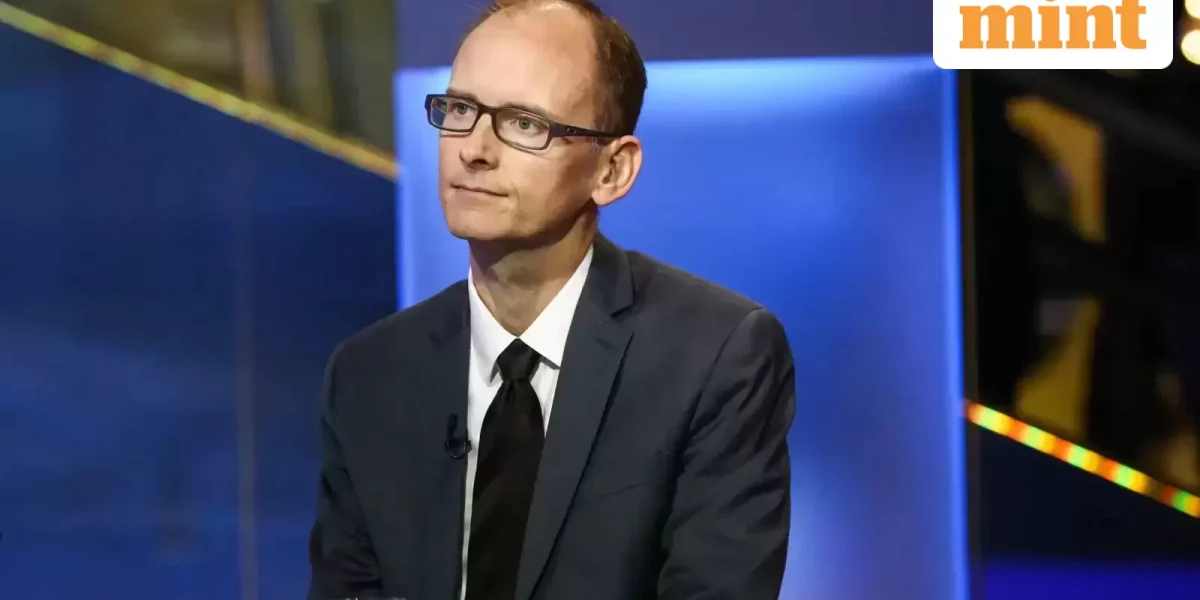
Torsten Sløk Disputes AI Job Loss Fears: What He Means
The notion that AI is destined to displace human workers and trigger widespread unemployment is being challenged by top industry experts. Apollo Global Management’s chief economist **Torsten Sløk** recently stated there’s “zero evidence” that AI is causing job losses. Instead, he argues that AI investment is creating new job opportunities.
Sløk’s stance is echoed by OpenAI CEO **Sam Altman**, who has also pushed back against fears of mass unemployment. Altman has suggested that while AI may augment certain jobs, it will also enable the creation of entirely new ones.
The Labor Market Data Doesn’t Lie
Sløk’s assertion that the labor market data contradicts the notion of widespread AI-driven job losses is a crucial point. He cites statistics showing that despite increased AI investment, unemployment rates have not skyrocketed. In fact, many industries are reporting a shortage of skilled workers, which AI has helped address by streamlining tasks and freeing up human resources for more complex and creative work.
What This Means
So, what does this mean for the average person? It suggests that the impact of AI on the job market may not be as catastrophic as many fear. Instead, AI could potentially create more jobs than it displaces. This would require governments, educators, and businesses to adapt and invest in re-skilling programs that prepare workers for the new opportunities AI will bring.
As AI investment continues to grow, it’s likely that we’ll see a shift towards more specialized and high-value work. This could mean a more dynamic and diverse labor market, with new job opportunities emerging in fields like AI development, data science, and cybersecurity. Ultimately, Sløk’s message is one of hope and optimism – that AI can be a force for economic growth and job creation, not just displacement.