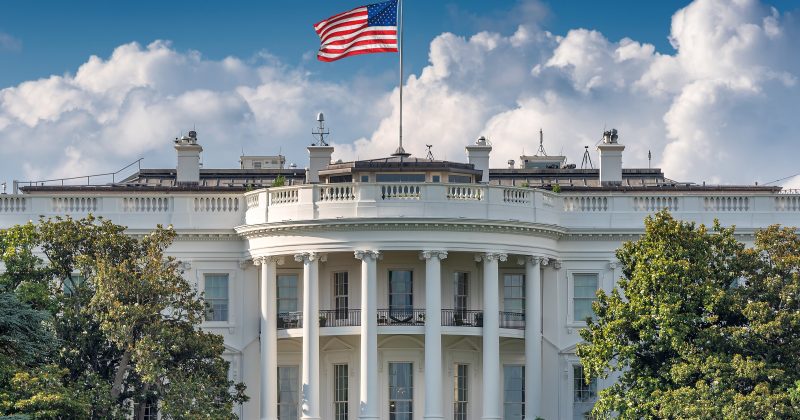
The White House has sent a seven-point AI legislative framework to Congress, hoping to establish uniform regulations for the rapidly growing industry. This move comes as multiple states, including California and New York, have already begun implementing their own AI laws.
A Unified Approach
President Donald Trump’s administration has proposed a framework that encourages Congress to create a single set of rules governing AI development and deployment, rather than relying on a patchwork of state laws. This approach could potentially ease compliance for startups, which often have limited resources to devote to regulatory issues.
Risk of Inaction
However, if Congress fails to act, the lack of uniformity could lead to confusion and increased compliance burdens for businesses. In the absence of federal regulations, companies may need to navigate multiple state laws, creating a complex and costly administrative environment.
The White House framework focuses on the following key areas:
- Transparency: Requiring developers to disclose AI algorithms and decision-making processes.
- Accountability: Establishing clear lines of responsibility for AI-related harm or bias.
- Security: Implementing robust safeguards to protect AI systems from cyber threats.
- Workforce Development: Investing in education and training programs for workers affected by AI automation.
- Preventing AI Misuse: Identifying and mitigating potential risks associated with AI development.
- Suspending Development: Temporarily halting the development of AI systems that pose significant risks to national security or public safety.
- Review and Update: Regularly reviewing and updating AI regulations to ensure they remain effective and aligned with emerging technologies.
What This Means
For businesses, the potential benefits of uniform federal regulations include streamlined compliance and reduced costs. However, if Congress fails to act, companies may face significant challenges in adapting to a complex and dynamic regulatory landscape. As the White House framework is considered, stakeholders will be closely watching to see whether a comprehensive federal AI regulatory framework is implemented, and what the implications will be for the industry as a whole.