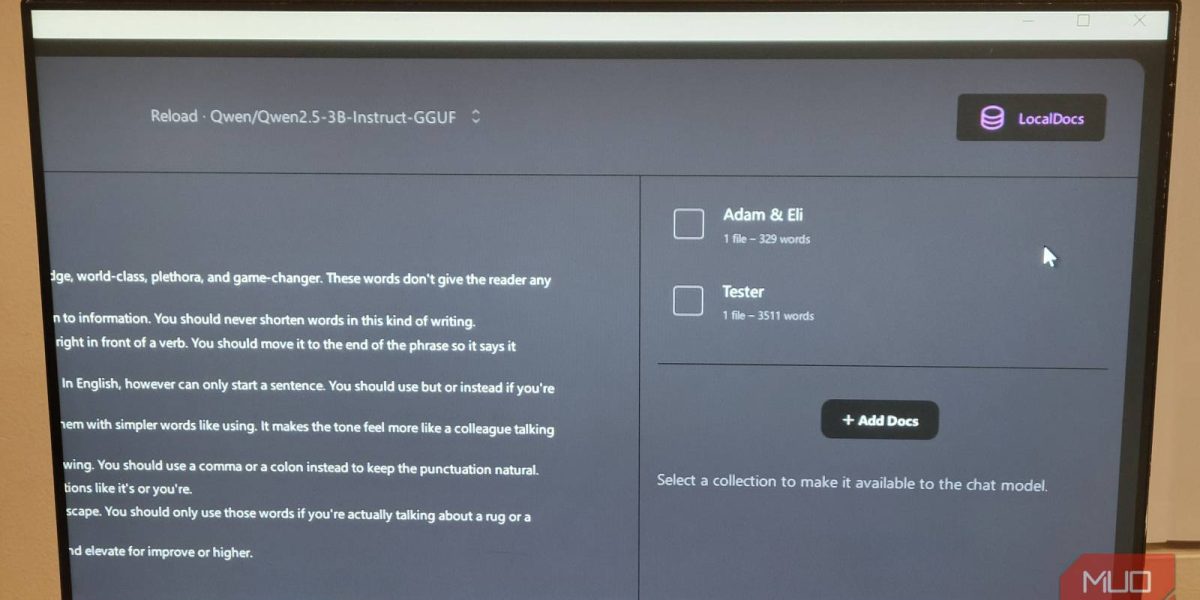
A 100GB USB drive can now run a private large language model (LLM) on a home PC, giving users unprecedented control over sensitive data.
The LLM, built by a self-taught developer, **Alexandre Buisse**, doesn’t rely on the cloud or any external servers. This means that the vast amounts of code, research, or conversations fed into the AI stay safely local, never leaving the user’s PC.
The Limits of a Local LLM
The trade-off, of course, is that the local LLM’s capabilities are severely limited compared to its cloud-based counterparts. For one, it can only recognize and respond to inputs it’s been trained on – in other words, it’s essentially a ‘private chatbot’ that lacks the vast knowledge base and adaptability of cloud-based LLMs.
That said, this DIY approach still promises immense benefits for individuals and organizations working with sensitive information, such as researchers, journalists, or businesses handling confidential data.
This development also highlights the need for an alternative to cloud-based LLMs, which have faced criticism over data privacy and security concerns.
No Cloud, No Problem
So, how does it work? Building a private LLM on a USB drive requires a few key components:
A suitable USB drive with enough storage space (Buisse used a 100GB drive);
A Linux installation and the necessary software tools;
A pre-trained LLM model, which can be downloaded or trained on the local system;
A simple script that enables the model to load and respond to inputs.
While the process is certainly more complex than setting up a cloud-based LLM, it offers unparalleled security and control over sensitive data.
Private Benefits
What this means for users is that they can now enjoy the benefits of AI-driven conversations without sacrificing their data’s confidentiality.
This approach also opens up new possibilities for developers, researchers, and organizations working with sensitive information.
With this DIY LLM, users can maintain complete control over what data is shared and where it travels – a significant step forward in data protection and security.