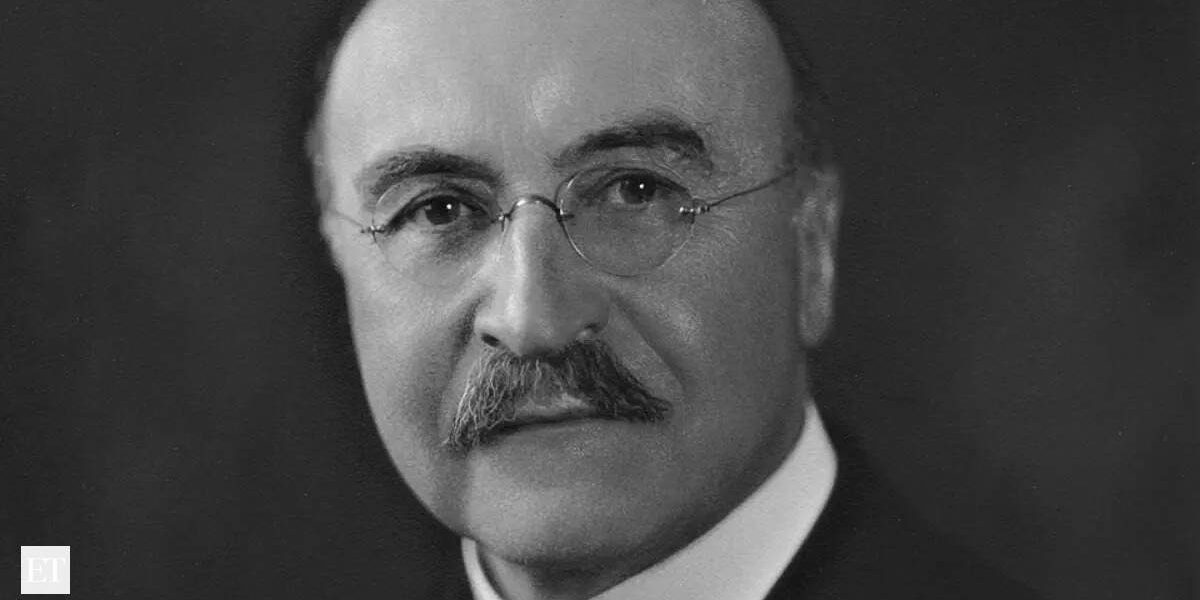
The Unexpected Birth of Bakelite: A Pioneering Moment in Synthetic Materials
In 1907, a Belgian-American chemist named Leo Baekeland embarked on a quest to revolutionize cable insulation. He was searching for a substitute for shellac, a natural resin used to coat electrical wires. This seemingly mundane challenge would ultimately lead to the creation of the world’s first synthetic plastic, Bakelite.
Baekeland’s research was driven by the need for more robust and heat-resistant materials. Shellac, although biodegradable and suitable for various applications, had its limitations. It couldn’t withstand the increasing temperatures and stresses associated with emerging technologies like telegraphy and electrical engineering. Baekeland’s goal was to find an alternative that could keep pace with the rapid advancements in these fields.
Through a series of experiments and trials, Baekeland stumbled upon a combination of phenol and formaldehyde that, when mixed and heat-treated, formed a rigid, synthetic material. This was Bakelite, a name derived from Baekeland’s surname and the chemical name for phenol, the key component in the mixture. Initially intended for use in cable insulation, Bakelite’s properties – strength, heat resistance, and durability – quickly made it a sought-after material for various industries.
A Material Revolution
Bakelite’s creation marked a significant shift in the way materials were developed and used. For the first time, manufacturers could tailor their products to specific requirements, rather than relying on natural substances with limited properties. This led to the widespread adoption of synthetic materials in the production of household items, electrical components, and even automotive parts.
The impact of Bakelite extended beyond the industrial sector. Its development showcased the potential of chemical research and experimentation in driving innovation. The pioneering work of Leo Baekeland opened doors for future generations of scientists and engineers, paving the way for the creation of countless synthetic materials that would shape the world as we know it.
A Lasting Legacy
Bakelite’s legacy is more than just a footnote in the history of materials science. Its influence can still be seen in modern plastics, which have become an integral part of our daily lives. From the smartphones in our pockets to the cars we drive, synthetic materials like Bakelite continue to shape the products we use and the world around us.
What this means, practically speaking, is that the materials we work with and the products we use have become increasingly sophisticated and adaptable. The development of Bakelite serves as a testament to the power of innovative thinking and the potential for science to transform our world.