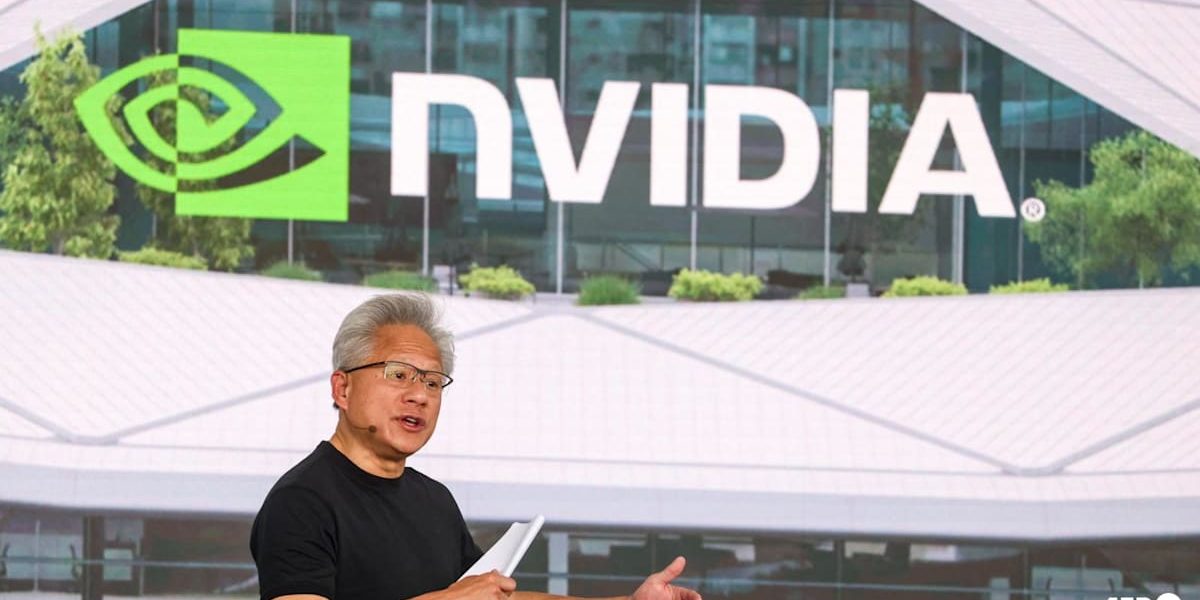
Nvidia CEO Jensen Huang is set to visit South Korea next week, a move that could signal the country’s growing importance in the global AI landscape.
The visit comes as South Korea’s electronics industry is riding a surge in demand for memory chips, fueled by the global AI boom. Samsung Electronics and SK hynix are two of the country’s biggest players in this space, and their products are crucial components in many AI systems.
A Key Moment for South Korea’s AI Ambitions
With the global AI market expected to reach **$190 billion** by 2025, according to a recent report, South Korea is positioning itself as a leader in the industry. The country has set ambitious targets to boost its AI capabilities, with a focus on developing its semiconductor industry.
Samsung Electronics and SK hynix are at the forefront of this effort, investing heavily in AI research and development. Their memory chips are used in everything from AI-powered smartphones to self-driving cars, and the demand for these components is expected to continue growing in the coming years.
What this means
For South Korea, Huawei’s visit is a vote of confidence in the country’s AI capabilities. It suggests that major players in the industry are taking notice of South Korea’s efforts to develop its semiconductor industry and are willing to invest in the country’s AI ecosystem.
As the global AI market continues to grow, South Korea is well-positioned to benefit from this trend. With its strong electronics industry and ambitious AI targets, the country is likely to play an increasingly important role in the development of AI technologies.
However, the visit also raises questions about the potential risks and challenges associated with South Korea’s AI ambitions. As the country continues to invest in its semiconductor industry, it will need to balance its economic goals with the need to ensure that its AI development is responsible and ethically sound.