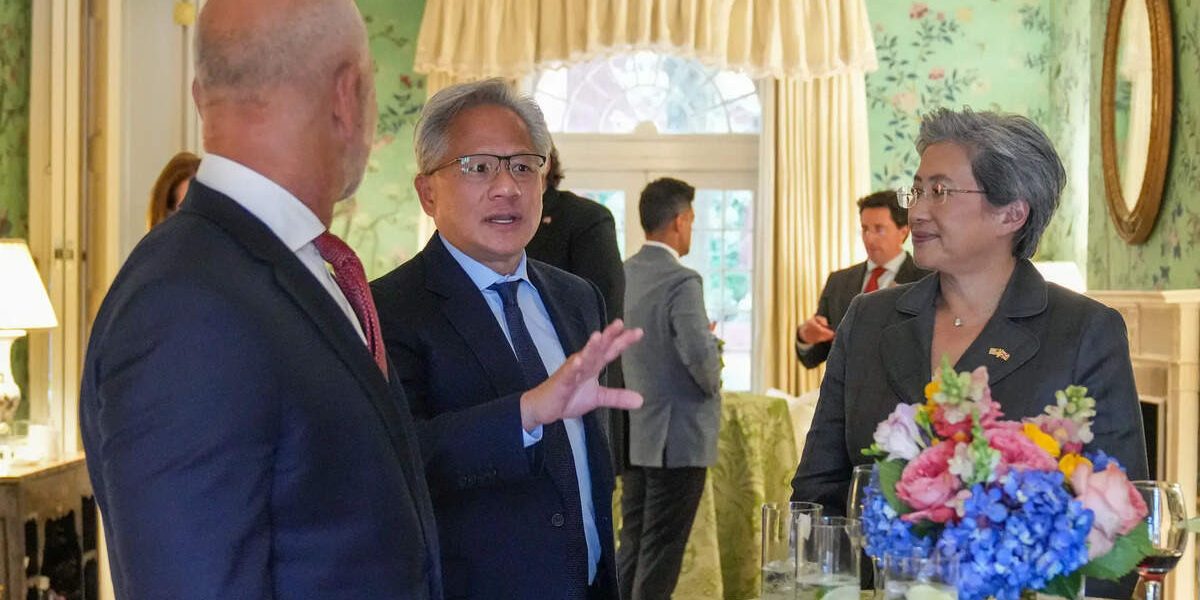
AMD’s Lisa Su Plays It Cool in China While Nvidia’s Jensen Huang Seeks the Spotlight
AMD CEO Lisa Su’s recent, low-key visit to China stands in stark contrast to Nvidia’s CEO Jensen Huang, who made headlines with his high-profile appearances in the country.
Su’s understated approach reflects a difference in strategy between the two companies as they vie for a share of China’s crucial AI chip market. The market is seen as crucial because, it’s the second-largest in the world, after the United States, and has massive growth potential. With the country investing billions in its domestic AI ecosystem, the stakes are high.
Nvidia, a major player in the global AI chip market, saw its market share in China plummet in recent years. In contrast, AMD holds a smaller but more diversified presence in the country. This diversification might be a key factor in AMD’s relative success.
Su’s visit, which included meetings with Chinese government officials and industry insiders, was largely kept out of the spotlight. In contrast, Huang drew large crowds in Beijing as he posed for photos and gave interviews to local media. This attention-seeking move is part of Nvidia’s push to re-establish itself in China, where its reputation has taken a hit in recent years.
Nvidia’s Market Share Slump
Nvidia’s decline in China is attributed to its aggressive marketing and sales tactics, which alienated some Chinese customers. The company’s decision to stop exporting AI chips to China due to US trade restrictions also contributed to its market share drop.
Meanwhile, AMD has taken a more subtle approach, focusing on building relationships with Chinese companies and government officials. Su’s visit, while low-key, was seen as a move to deepen these ties, which could pay off in the long run.
Avoiding the Spotlight
Su’s preference for keeping a low profile in China reflects a growing trend among tech executives. As the AI chip market becomes increasingly complex, companies are recognizing the importance of building trust with local stakeholders.
AMD’s diversified presence in China is likely to serve it well in the long term. By avoiding the spotlight and focusing on building relationships, Su is positioning her company for success in a market that promises massive growth and opportunities.
What this means: **Understated strategies may pay off** – AMD’s approach in China suggests that avoiding the spotlight and focusing on building relationships may be the key to long-term success in this critical market.