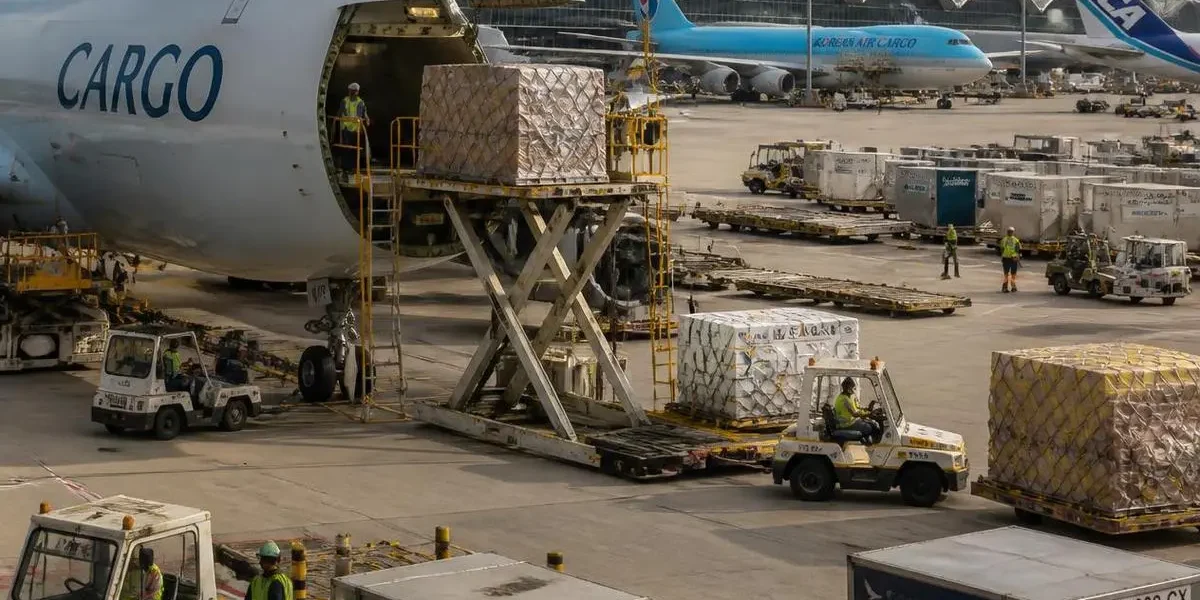
Air cargo demand in Asia has surged as the region’s semiconductor manufacturers ramp up production to meet the skyrocketing demand for AI-powered chips.
Asia’s AI Chip Rush
The sudden spike in air cargo demand, particularly from major tech hubs like Taiwan and South Korea, is being driven by the rapid growth of artificial intelligence (AI) technology. As the global AI industry booms, companies are scrambling to produce high-performance chips to power the next generation of AI systems. This shift has led to a significant increase in air cargo shipments of semiconductors across Asia.
According to recent data, Taiwanese airlines like China Airlines and EVA Air have seen a substantial uptick in cargo volumes, while South Korean carriers like Korean Air and Asiana Airlines have also reported increased demand for air cargo services. The surge in air cargo traffic has caught many by surprise, with some airlines struggling to keep up with the sudden increase in demand.
Cross-Border E-commerce Takes a Backseat
Meanwhile, cross-border e-commerce shipments, which were once the mainstay of air cargo demand, have taken a backseat in the region. The decline in e-commerce shipments can be attributed to several factors, including increased tariffs and regulatory hurdles, as well as a shift towards domestic e-commerce and online shopping platforms.
The shift away from e-commerce shipments has forced airlines to rethink their networks and adjust their air cargo operations. “Airlines are redesigning their networks to better serve the growing demand for semiconductor logistics,” says Jane Kim, Managing Director at Air Cargo Asia. “This is a significant shift, and we’re seeing airlines invest heavily in upgrading their air cargo infrastructure to meet this new demand.”
What this means
As the global demand for AI continues to grow, it’s likely that the trend of increased air cargo demand in Asia will persist. For airlines, this means investing in new infrastructure and services to meet the growing demand for air cargo, particularly from semiconductor manufacturing hubs. For consumers, this may lead to increased shipping costs and reduced delivery times for AI-related products.