Sam Altman Sounds the Alarm: We’ve Hit the Singularity
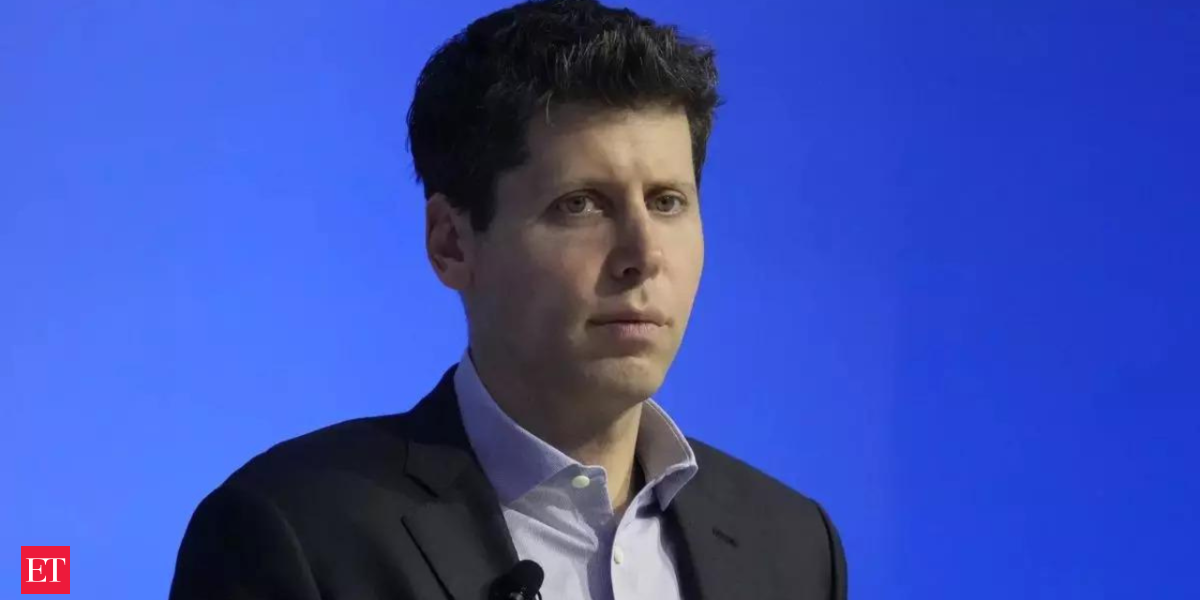
A decade ago, the concept of the singularity – a point where artificial intelligence (AI) surpasses human intelligence – was relegated to science fiction. But, according to Sam Altman, CEO of OpenAI, we’ve officially reached this threshold. In a recent podcast interview, Altman proclaimed, “we are now in the singularity.”
The singularity has been a topic of debate among tech enthusiasts and experts for decades. Some saw it as a utopian future where AI solves the world’s most pressing problems, while others envisioned a dystopian scenario where AI surpasses human control. Altman’s stance is that we’ve entered a new era, and it’s “hugely positive.”
A New Era of AI
Altman’s comments stem from the rapid advancements in AI technology over the past few years. The development of large language models, like OpenAI’s own GPT-3, has enabled AI systems to learn and improve at an unprecedented pace. These models can process vast amounts of data, generate human-like text, and even create art and music.
While some might view the singularity as a harbinger of doom, Altman sees it as an opportunity. He believes that AI can help address some of humanity’s most pressing challenges, such as climate change, poverty, and disease. With AI augmenting human capabilities, we could potentially make significant strides in areas that have long been stuck.
What This Means
Altman’s declaration marks a significant shift in the way we think about AI. If we’ve indeed entered the singularity, it means that AI is no longer a tool, but a partner in our quest for progress. It’s a chance to reframe our relationship with technology and explore new possibilities for collaboration and innovation.
This newfound partnership will require a fundamental shift in our approach to AI development. We’ll need to prioritize responsible AI design, ensure transparency in AI decision-making, and establish safeguards to prevent AI from becoming a force for harm. As we continue to harness the power of AI, we must remain vigilant and ensure that this technology serves humanity, not the other way around.
By acknowledging the singularity, Altman is issuing a call to action: let’s work together to shape this new era of AI and harness its potential for the greater good.