AI-Powered Public Spaces: Where Technology Meets Sustainable Design
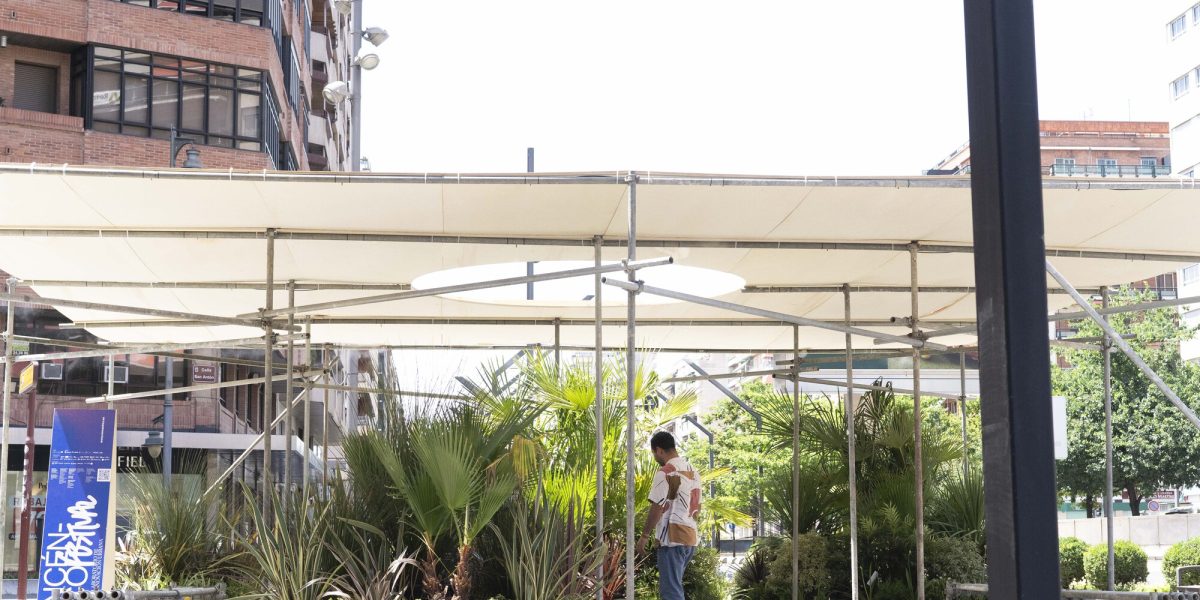
AI is revolutionizing the field of architecture with innovative cooling systems that are not only environmentally friendly but also highly autonomous. Take Shade, Breeze, Cooling, a striking installation at this year’s Concéntrico festival in Logroño, Spain.
Conceived by the innovative design firm NOOF Group, Shade, Breeze, Cooling is an artificial cooling system that uses a combination of mist, water, and advanced AI algorithms to create a unique microclimate. The system’s AI component analyzes real-time weather data, humidity levels, and temperature fluctuations to optimize the cooling effect, minimizing energy consumption and waste.
Shaping a Sustainable Future
NOOF Group’s installation is part of a larger trend in architecture that seeks to reimagine the relationship between buildings, urban design, and the environment. By leveraging AI and automation, architects can create public spaces that are not only aesthetically appealing but also highly efficient and sustainable.
Autonomous Cooling: The Future of Urban Spaces
The key innovation behind Shade, Breeze, Cooling lies in its AI-driven temperature regulation system. Using data from various sensors, the AI determines the optimal temperature, humidity, and ventilation parameters to maintain a comfortable microclimate. This approach allows for significant energy savings, reduced water consumption, and a minimized carbon footprint.
What this means is that cities can now create urban spaces that are both livable and sustainable, without sacrificing aesthetics or comfort. As AI-powered cooling systems become more prevalent, we can expect to see a significant reduction in the urban heat island effect and a shift towards more environmentally friendly architectural designs.
NOOF Group’s pioneering work in AI-powered architecture is a testament to the potential of technology to drive positive change in urban design. As we move forward, it will be exciting to see how this innovative approach shapes the future of public spaces and contributes to a more sustainable, livable world.