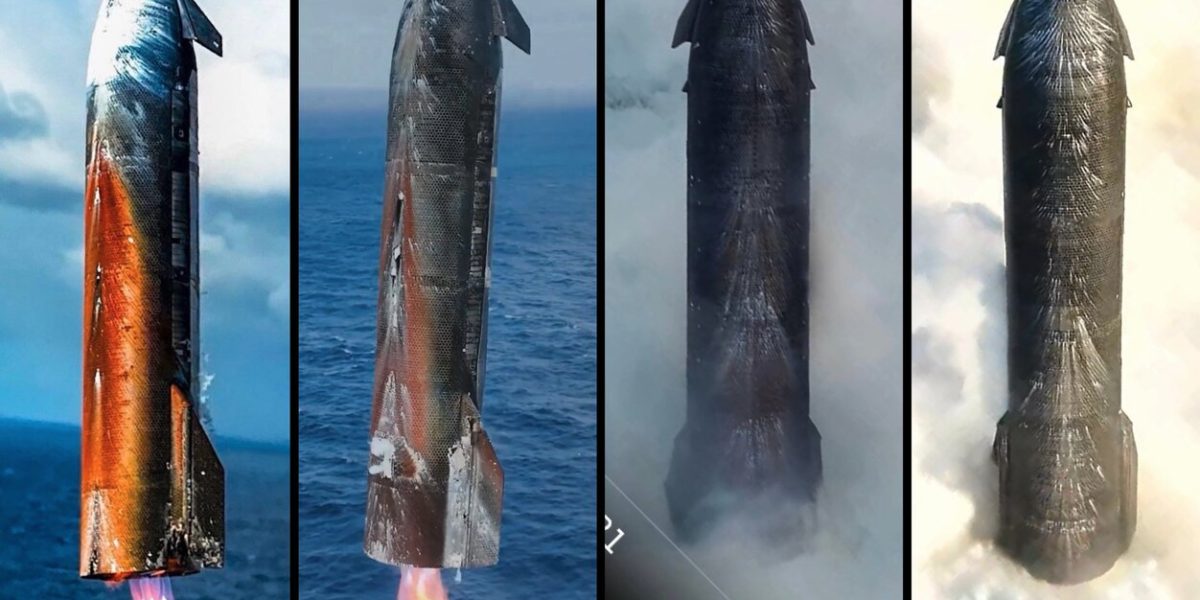
SpaceX Pushes Starship to the Limit, Survives Hardest Reentry Yet
SpaceX deliberately flew a more energetic, higher-dynamic-pressure reentry profile on Flight 14, essentially simulating a tougher-than-usual return to Earth. The Starship prototype’s heat shield withstood the intense forces, allowing the vehicle to execute a flip, complete a landing burn, and make a soft splashdown intact.
The company’s decision to intentionally stress the system was a deliberate attempt to test the boundaries of the vehicle’s design. By flying a more aggressive reentry profile, they’re essentially asking: “What’s the limit?” SpaceX wants to know how hard they can push Starship before it begins to show signs of strain.
The reentry profile is a critical phase of any spacecraft’s journey home. When descending through the atmosphere, the vehicle encounters intense heat and friction, which can cause damage to the heat shield. SpaceX’s test aimed to find out how well the current heat shield design performs under extreme conditions.
What this means: This test paves the way for more ambitious missions in the future. If the Starship can survive the harsh conditions of a more energetic reentry, it’s a major step towards sending humans to the Moon, Mars, and beyond. The success of this test also highlights the importance of continued investment in materials science and thermal protection systems for spacecraft.
Engine Relight Software Upgrades
The company has also upgraded the engine relight software for the Starship’s Raptor engines. This upgrade will enable the engines to relight more quickly and efficiently, which is crucial for landing precision and overall mission success.
The software upgrade is a result of SpaceX’s ongoing efforts to refine the Raptor engine’s performance. By improving the engine’s ability to relight, they’re reducing the time it takes to transition between main engine and vernier engines, which is essential for precise landings.
What this means: The upgraded engine relight software will significantly improve the Starship’s ability to make precise landings. This is a critical capability for any spacecraft, especially one designed for human exploration and potential commercial applications.
A Step Closer to Mars
While the success of Flight 14 and the engine software upgrade are significant milestones, they’re not the final destination. SpaceX still has a long way to go before sending humans to Mars. However, with each successful test, they’re one step closer to making that a reality. The company’s continued pursuit of innovation and pushing the boundaries of what’s possible is a testament to their commitment to advancing space exploration.