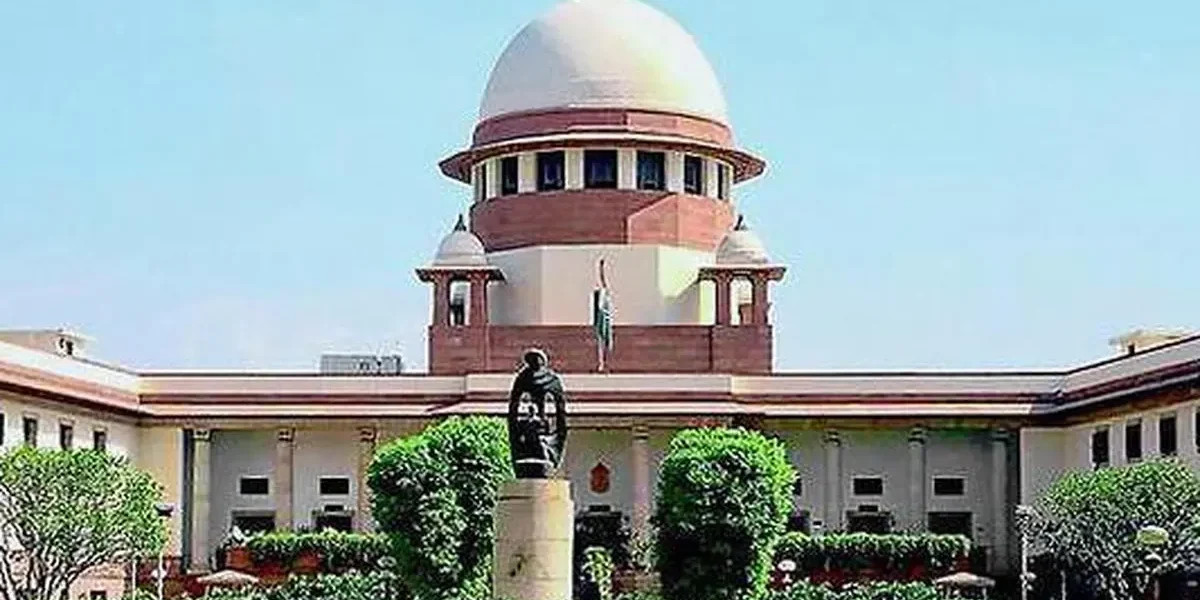
The Supreme Court of India has taken a significant step to protect the integrity of its live-streamed court proceedings by prohibiting unauthorized recording and monetization of videos on social media.
Unauthorized Use of Court Videos Banned
A petition filed by journalist Harshita Grover led to the court’s decision, highlighting the misuse of isolated excerpts from judicial proceedings being clipped and circulated for financial gain. These actions not only undermined the sanctity of the judicial process but also trivialized the administration of justice.
The Supreme Court’s move comes at a time when social media platforms have become increasingly prevalent, making it easier for users to record and share live-streamed court proceedings. While live streaming has been a significant improvement in court transparency, this decision aims to prevent the exploitation of sensitive information by unscrupulous individuals.
What this means
For individuals and organizations using social media platforms, the decision has practical implications. It means that recording or sharing live-streamed court videos without authorization can result in penalties, potentially affecting users’ online presence and reputation. This also highlights the importance of respecting the sanctity of judicial proceedings and not using them for personal financial gain.
The Supreme Court’s decision is a significant step forward in protecting the integrity of the judicial process and maintaining public trust in the administration of justice.