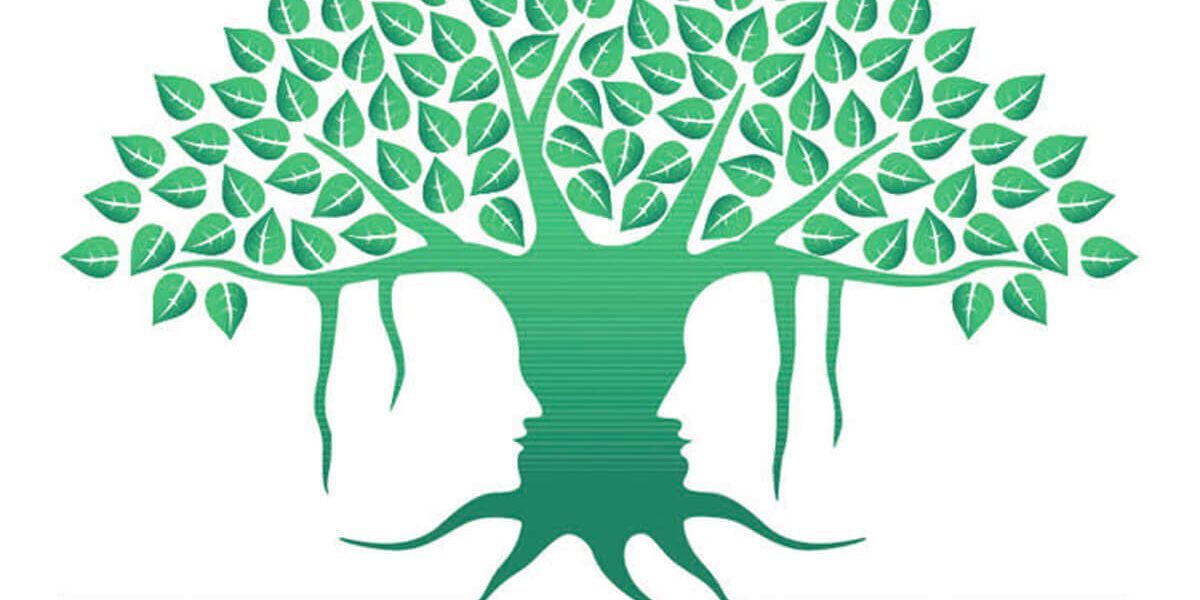
AI systems are increasingly relying on interconnected neural networks to boost their intelligence, a trend that echoes the importance of human connection in fostering a stable society.
A Blueprint for Machine Learning
The human brain consists of billions of neurons that communicate continuously to enable thought, memory, creativity, and problem-solving. Artificial intelligence (AI) systems are now mirroring this design by employing interconnected neural networks to enhance their performance.
These networks, known as graph neural networks, comprise nodes (neurons) connected by edges (synapses) that facilitate the exchange of information. This architecture allows AI systems to learn from vast amounts of data and adapt to new situations, much like the human brain.
The Power of Connection
So, what can we learn from the human brain’s interconnectedness? It’s been observed that individuals and societies thrive when trust and cooperation are present, while isolation and disconnection can lead to instability.
A similar dynamic is at play in AI systems. As they become more intelligent and autonomous, they require robust networking infrastructure to ensure seamless communication and data exchange. This setup enables AI systems to collaborate effectively, make informed decisions, and refine their performance over time.
What This Means
The growing reliance on interconnected neural networks in AI underscores the importance of fostering collaboration and cooperation in the field. As AI systems become more sophisticated, their developers will need to prioritize the creation of stable, robust networks that facilitate trust and effective information exchange.
In practice, this means AI researchers and engineers must focus on designing more sophisticated architectures that mimic the human brain’s interconnectedness. By doing so, they can unlock the full potential of AI and create systems that are not only intelligent but also capable of working in harmony with humans.