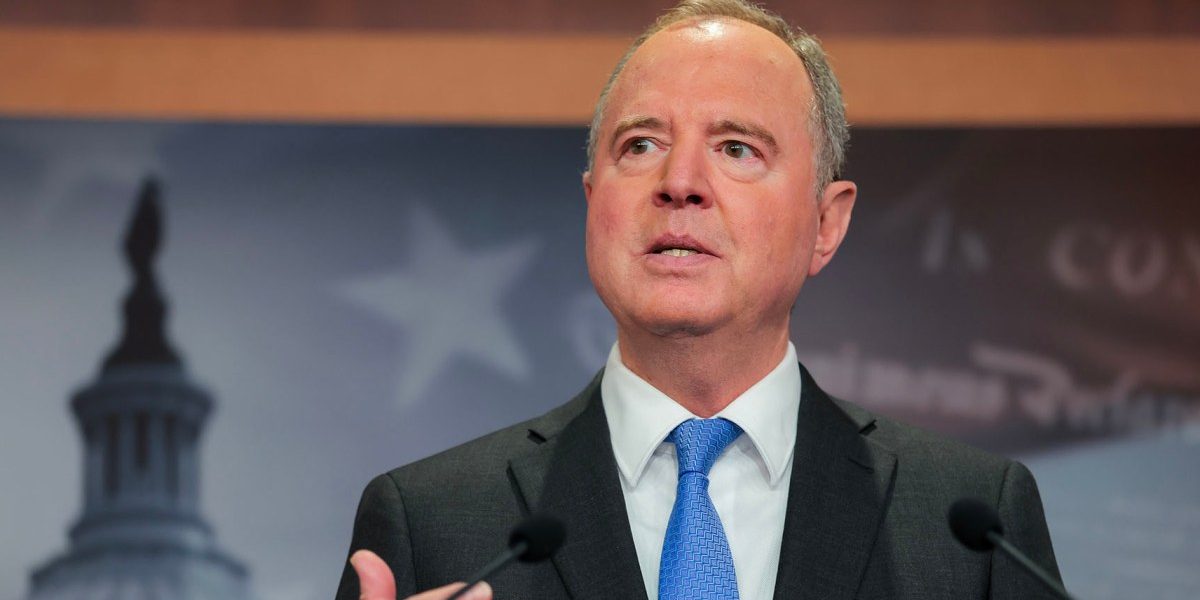
A new bipartisan bill aims to block Chinese AI companies from copying American tech, citing concerns that Chinese firms are “distilling” cutting-edge U.S. models with little to no input from the original creators.
Concerns over AI intellectual property theft
The U.S. government has long been wary of China’s aggressive approach to AI, with American tech companies and officials accusing Chinese companies of stealing their intellectual property.
Lawmakers have specifically named OpenAI, the developer of the popular AI chatbot LLaMA, and Anthropic, another prominent AI firm, as examples of companies that could benefit from the proposed legislation.
Chinese companies, like Baidu and Alibaba, have been at the forefront of AI development, but the U.S. bill seeks to address concerns that they are relying too heavily on American innovation.
One example that’s often cited is the AI model “Ernie”, developed by Baidu, which many experts believe is heavily based on OpenAI’s LLaMA technology.
What the bill aims to do
The proposed legislation would make it more difficult for Chinese companies to access sensitive U.S. AI technology, and would also increase penalties for those found to be engaging in intellectual property theft.
The bill would give the U.S. Commerce Department the power to designate Chinese companies as national security threats if they are found to be misusing U.S. AI technology.
Supporters of the bill say it’s essential for protecting American businesses and preventing China from becoming the dominant force in the global AI market.
What this means
The proposed bill is a significant escalation in the U.S.-China tech rivalry, and could have major implications for the future of AI development.
For American companies, it means greater protection from intellectual property theft, and the ability to compete more fairly in the global AI market.
For Chinese companies, it means increased scrutiny and potential penalties for any involvement in intellectual property theft or other forms of unfair competition.
The bill is still in its early stages, and will likely face intense debate and negotiation in the months and years to come.