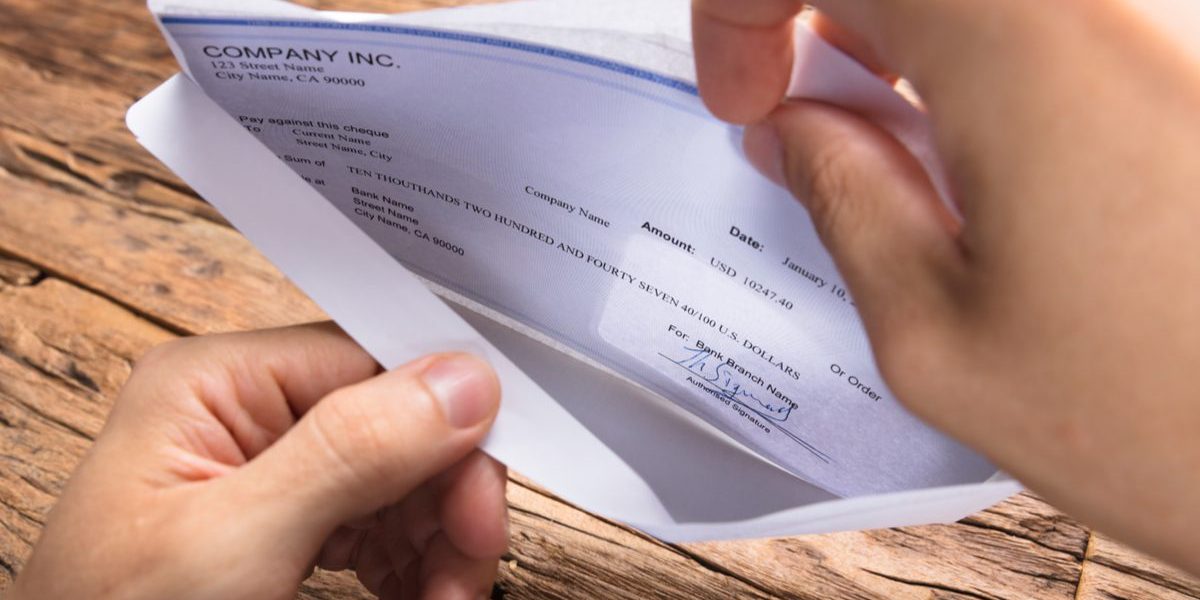
Workers at the bottom of the US income ladder are finally seeing a bit of a pay bump, according to new government data released last week.
A Glimmer of Hope for Working-Class Americans
According to a report by The Wall Street Journal, the Labor Department’s latest numbers show that working-class consumers in the United States are experiencing a small but significant increase in pay. This uptick in wages could be a sign that the long-awaited economic recovery is finally starting to reach the people who need it most.
Economists say improved finances among working-class individuals might be behind this shift. These workers, who’ve been bearing the brunt of inflation and stagnant wages for years, are starting to see the fruits of their labor. It’s possible that companies are finally responding to worker demands for better pay and benefits, or maybe economic indicators are starting to swing in their favor.
But Don’t Get Ahead of Yourself
While this news is certainly welcome, it’s essential to keep things in perspective. The pay bump is only a tiny fraction of what working-class Americans have lost due to years of stagnant wages and rising costs. To put this in context, the median annual wage in the United States is around $53,000. If we assume the pay bump translates to a modest 2% increase, that would be an extra $1,000 per year – still a long way from making up for the cumulative losses of the past decade.
What This Means
This tiny pay bump is a glimmer of hope, but it’s essential to remember that workers are still struggling to make ends meet. It’s too early to declare victory; the real question is whether this trend will continue and translate into meaningful economic gains for working-class Americans. Until then, it’s crucial for policymakers, businesses, and consumers to keep pushing for more substantial changes that benefit the people who need it most.