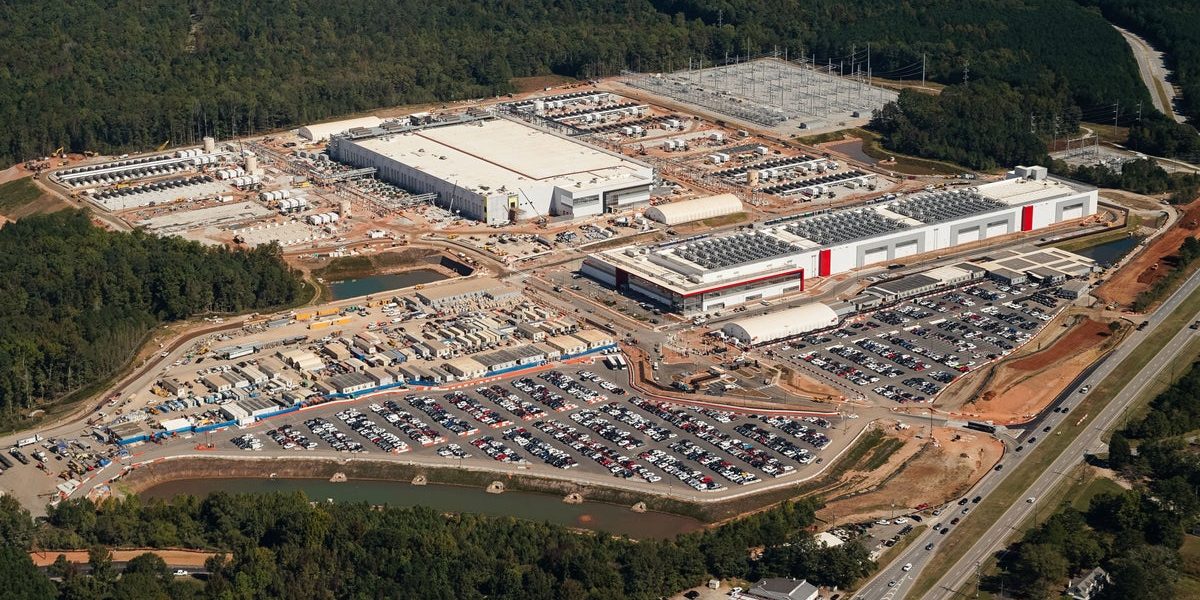
New York State this week became the first in the country to effectively freeze new large-scale data centers as Governor Kathy Hochul declared a statewide moratorium on hyperscale facilities.
The moratorium, which kicks in immediately and will be in place for up to a year, comes as data centers are increasingly fueling the growth of AI and other cloud-based technologies. Data centers are critical infrastructure for storing, processing, and distributing vast amounts of data, much of which is generated by AI applications.
The Cost of Progress
Data centers are power-hungry and often rely on non-renewable energy sources, which raises significant environmental concerns. As these facilities proliferate, they are becoming major contributors to greenhouse gas emissions and energy consumption. New York State is no exception, with its data centers already accounting for approximately 2.5% of the state’s total electricity usage. The moratorium gives officials a chance to develop more stringent environmental regulations and guidelines for evaluating the impact of data centers.
What this means
The moratorium is a response to growing public pressure and environmental activism, which has focused on the disproportionate contribution of data centers to New York State’s energy consumption and carbon footprint. What this means for the tech industry is that data center operators will need to adapt their business models to meet increasingly stringent environmental standards or risk facing significant regulatory hurdles.
Measuring Environmental Impact
The real challenge ahead for New York State officials will be developing a robust framework for measuring and evaluating the environmental impact of data centers. This will involve creating new metrics and benchmarks to assess factors such as energy consumption, emissions, and water usage. It’s a complex task, but one that could have far-reaching implications for the development of AI and other cloud-based technologies in the years to come.