**Renowned Documentarian Mark Cousins on the Future of Cinema in the AI Age**
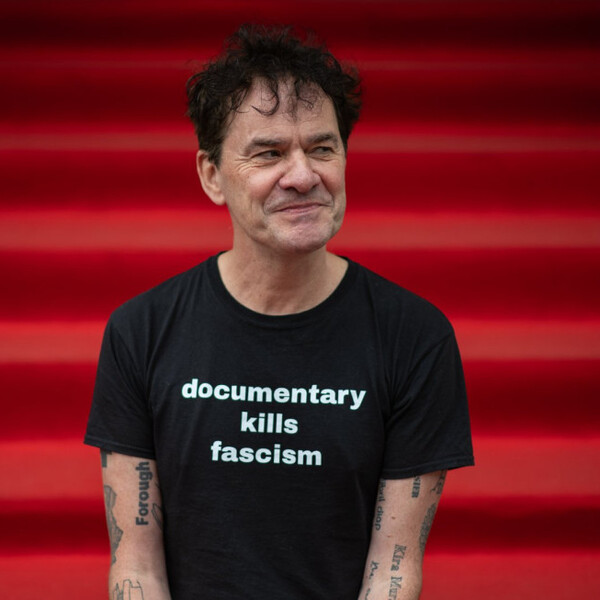
Award-winning documentarian Mark Cousins is known for pushing the boundaries of non-fiction storytelling, and his latest film, “The Story of Documentary Film – 1980s,” is no exception. At this year’s Karlovy Vary International Film Festival, Cousins reflected on the evolving nature of documentary cinema, the impact of artificial intelligence on the film industry, and the challenges of creating truthful content in a post-truth world.
Cousins’ expansive new history of non-fiction cinema is a testament to his commitment to exploring the complex and often overlooked history of documentary filmmaking. In a conversation with festival attendees, he emphasized the importance of challenging traditional canons and pushing the boundaries of what we consider “documentary.”
The Canon Conundrum
Cousins’ work often explores the tension between established canons and the need for new voices and perspectives. He sees this as a crucial aspect of documentary filmmaking, particularly in today’s political climate. “The canon is a very limited thing,” he says. “It’s a very Western, very middle-class thing. There’s so much more to documentary than that.”
What this means: As documentary filmmakers seek to capture the complexities of our increasingly diverse world, they must also confront the limitations of traditional canons and push for greater representation and inclusivity.
Hybrid Forms and Creative Possibilities
Cousins has long been an advocate for the hybrid form, combining documentary and fiction techniques to create a unique narrative voice. His latest film is a prime example of this approach, weaving together a rich tapestry of archival footage, interviews, and cinematic essays.
When asked about the creative possibilities of hybrid forms, Cousins cited the work of experimental filmmakers like Chris Marker and Harun Farocki. “These filmmakers are not just making documentaries; they’re making something else entirely,” he says. “Something that’s both personal and political.”
The Existential Challenge of AI
Cousins’ thoughts on artificial intelligence are marked by a sense of existential unease. “AI is going to change everything,” he warns. “It’s going to change the way we make films, the way we consume films, and the way we think about truth.”
What this means: As AI technologies continue to advance, documentary filmmakers must adapt and find new ways to convey truth and authenticity in a world where the lines between reality and simulation are increasingly blurred.
Cousins’ reflections on the future of cinema in the AI age are a stark reminder of the challenges facing documentary filmmakers today. As we hurtle towards a future where AI-generated content becomes increasingly prevalent, it’s clear that the art of documentary filmmaking will need to evolve in response.