French PM Lecornu’s Morocco visit marks a seismic shift in Franco-Moroccan relations.
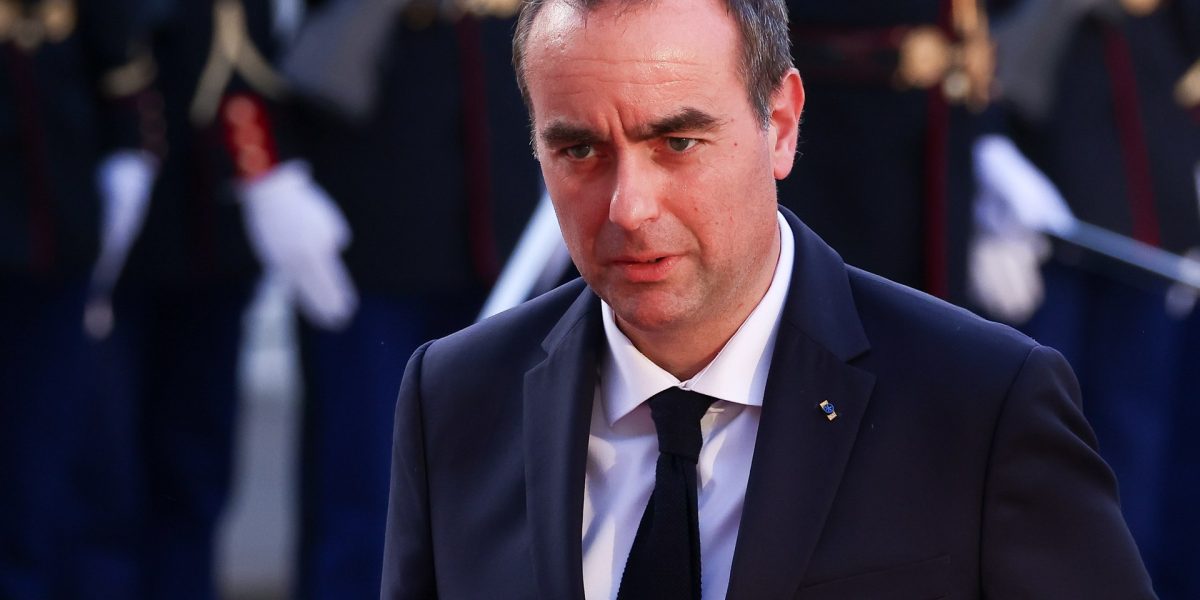
For the past few years, France has been quietly strengthening its ties with Morocco, and Prime Minister Sebastien Lecornu’s recent two-day trip to Rabat is the latest signal that Paris is serious about this new partnership. This visit follows years of effort by both governments to normalize relations after a period of strain.
What’s driving the shift?
Morocco has long been a strategic partner for France, providing a foothold in North Africa, access to the Strait of Gibraltar, and a crucial ally in the region. But tensions rose in recent years due to issues like migration, trade, and disagreements over Western Sahara. France’s diplomatic efforts have been led by President Emmanuel Macron, who has prioritized rebuilding relations with key international partners.
Paris-Rabat cooperation intensifies
During Lecornu’s visit, France and Morocco signed several key agreements, including a deal on the repatriation of migrants and a joint statement on economic cooperation. These agreements reflect a growing trust between the two nations, with Paris acknowledging Morocco’s role as a key player in regional security and development. The partnership is expected to focus on sectors like renewable energy, infrastructure, and tourism.
What this means for France and Europe
The Franco-Moroccan rapprochement has significant implications for France and the European Union as a whole. As the EU seeks to strengthen ties with North Africa, Morocco’s influence is likely to increase, and France’s new partnership with Rabat will provide a valuable counterbalance to Algeria’s growing influence in the region. For France, this partnership offers a chance to reassert its presence in Africa and reinforce its claim to be a key player in European and global affairs.
In practical terms, this means France will likely increase its investments in Morocco, boost trade ties, and collaborate on security and migration issues. The partnership also holds potential for cooperation on regional development projects, such as the EU’s Africa-Europe Partnership, which aims to strengthen ties between the two continents.