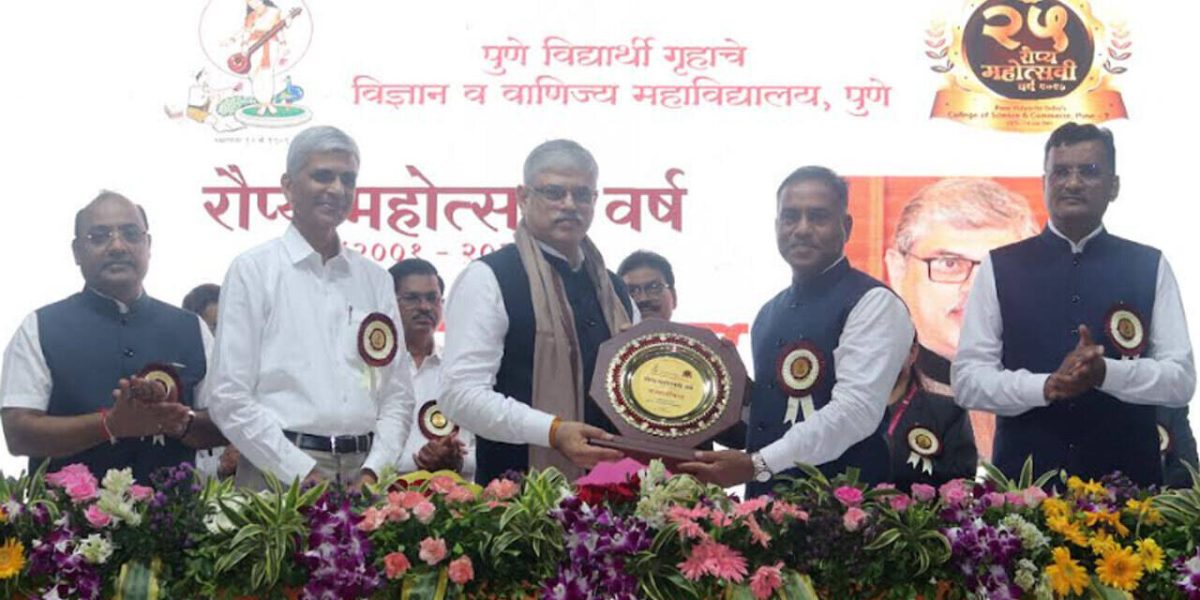
Vivek Sawant, founder and director of MKCL, warned students that artificial intelligence should not replace human intelligence, but rather augment it.
At the silver jubilee celebrations of Pune Vidyarthi Griha’s College of Science and Commerce, Sawant emphasized the importance of AI’s role in enhancing human capabilities. He expressed concern that AI’s rapid progress could lead to its misuse and replacement of human workers.
Avoiding the Pitfalls of Technological Unemployment
Vivek Sawant’s cautionary words echo a growing concern among experts, who worry that AI’s automation capabilities could displace millions of jobs worldwide. This anxiety is fueled by the increasing adoption of AI in various industries, from customer service to healthcare.
The risk of technological unemployment is a pressing issue that policymakers and business leaders must address. Sawant’s call to focus on augmenting human intelligence rather than replacing it highlights the need for a more nuanced approach to AI development.
The Future of Work and AI
As AI continues to transform the way we live and work, it’s essential to consider its impact on human employment. While AI can automate repetitive tasks and enhance productivity, it also has the potential to create new job opportunities and improve human capabilities.
The key to unlocking AI’s full potential lies in education and re-skilling. By equipping workers with the skills to collaborate with AI, we can ensure that technological advancements bring about positive change.
What this means
Vivek Sawant’s message is clear: AI should be a tool to enhance human capabilities, not replace them. By understanding the limitations and potential of AI, we can build a future where technology and human intelligence work together to drive progress and create new opportunities.