**Asian Airlines’ Cargo Bays Are Now Loaded with AI Hardware**
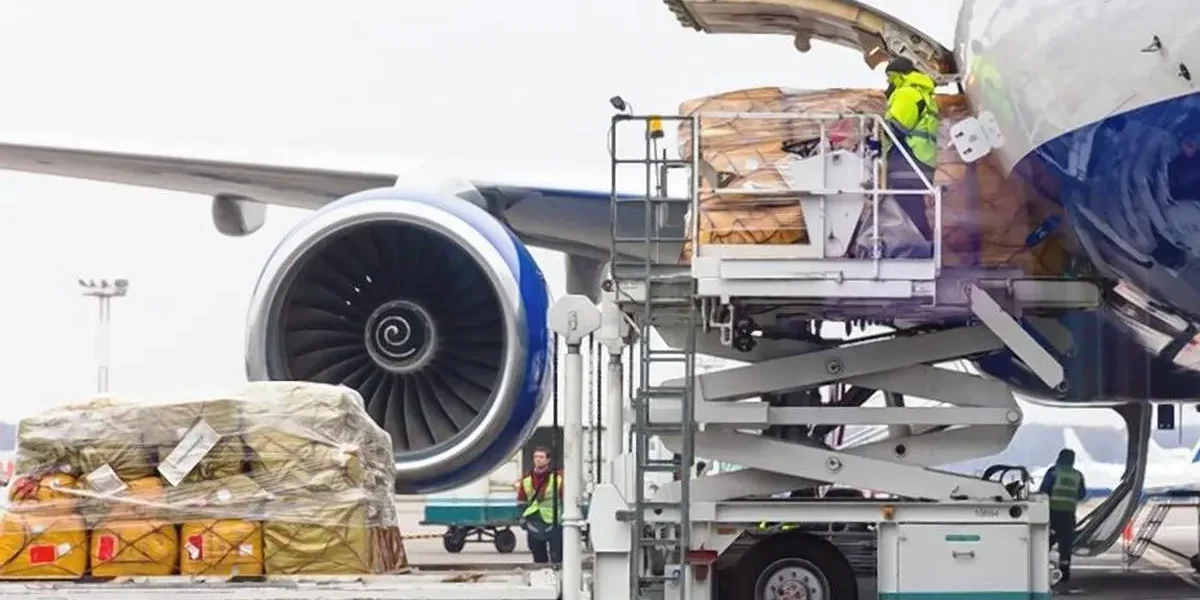
A surge in demand for artificial intelligence servers and computer chips has transformed the cargo holds of Asian airlines into mobile logistics hubs, carrying massive shipments of semiconductors across the globe. This unexpected boon has partially offset the airlines’ rising fuel costs.
The growing appetite for AI is being driven by major players like tech giants and cloud service providers. They require significant volumes of high-performance computing equipment to support their AI operations, which can be resource-intensive and data-heavy. As a result, Asian airlines are now capitalizing on this trend by transporting semiconductors between manufacturing hubs in East Asia, Taiwan, and South Korea.
Profitability Boost
The transportation of these high-value electronics is not only profitable for Asian airlines but also helps them maintain a competitive edge in the industry. This new revenue stream has been particularly welcome, given the sharp increase in global jet fuel prices due to the ongoing conflict in Ukraine. By filling their cargo bays with semiconductors, airlines are able to offset some of the additional fuel costs, which can account for up to 30% of their operational expenses.
The Semiconductor Demand**
According to industry analysts, the demand for AI servers and computer chips will continue to grow in the coming years, driven by the increasing adoption of AI technologies in various sectors, including healthcare, finance, and transportation. This growing demand has created a supply chain challenge, as manufacturers struggle to keep up with production capacity and meet the rising orders from tech companies.
For Asian airlines, this trend presents a unique opportunity to tap into the lucrative semiconductor logistics market. As the global demand for AI equipment continues to rise, the airlines will need to adapt their business strategies to remain competitive and capitalize on this trend. One thing is certain: the transportation of semiconductors will become increasingly important for Asian airlines in the years to come.
**What this means**: Asian airlines can now offset some of their rising fuel costs by transporting high-value electronic components between manufacturing hubs, ensuring a more stable financial outlook and maintaining their competitive edge in the industry.