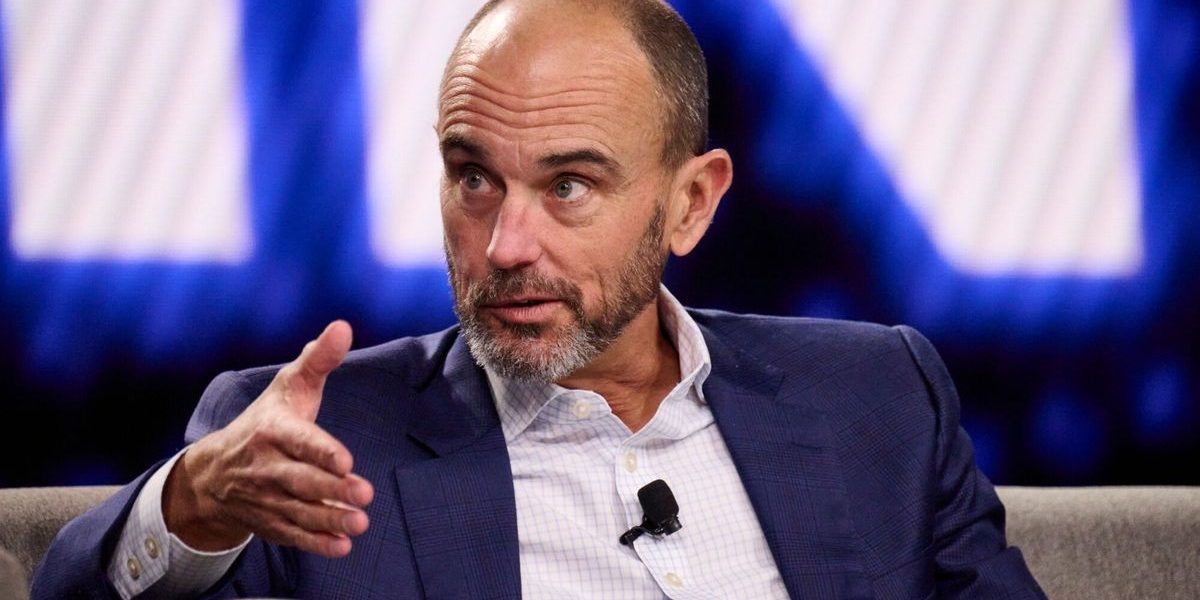
McKinsey & Co.’s Global Managing Partner Bob Sternfels is betting big on artificial intelligence: he thinks it’s on the cusp of unleashing a “golden age” for the consultancy firm.
As companies grapple with the far-reaching implications of AI, they’re increasingly turning to consultancies like McKinsey to help them navigate the chaos. It’s a trend that could prove incredibly lucrative for the firm, which is already one of the world’s most profitable. Under Sternfels’ leadership, McKinsey has been expanding its AI capabilities, developing tools and techniques that can help businesses unlock the full potential of these technologies.
A Surging Demand for AI Expertise
The need for AI expertise is becoming increasingly pressing, as companies struggle to make sense of the rapidly changing tech landscape. Whether they’re looking to improve their customer service, optimize their supply chains, or boost their bottom line, businesses are finding that AI has the potential to transform their operations in profound ways. According to a recent report from McKinsey, the adoption of AI could add as much as **$13 trillion** to the global economy by 2030.
For consultancy firms like McKinsey, this surge in demand for AI expertise represents a major opportunity. As companies seek out advice on how to harness the power of AI, they’re likely to be willing to pay top dollar for the expertise they need. It’s a trend that could see McKinsey’s revenue soar in the coming years, cementing its position as one of the world’s leading consultancy firms.
What this means
The rise of AI could spell big profits for consultancies like McKinsey, but it also raises important questions about the role of human experts in an increasingly automated world. As machines become more capable of performing tasks that were once the exclusive domain of humans, will we see a decline in the demand for human expertise? Or will companies continue to value the unique perspectives and insights that humans bring to the table? Only time will tell, but one thing is clear: the future of work is going to be shaped by the intersection of AI and human ingenuity.