AI Demand Spikes Electric Bills 60% in US Grid System
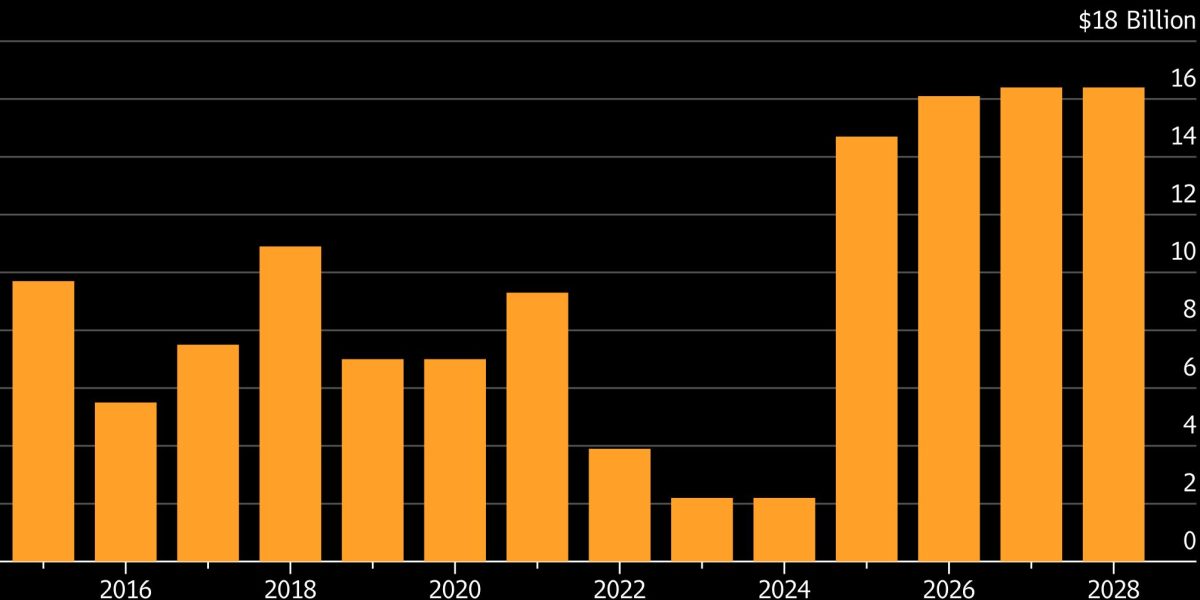
Data centers are gobbling up so much electricity in the US that they’ve caused a 60% spike in supply costs for the nation’s largest electric grid. This has left a watchdog group scrambling for solutions.
The culprit: AI and machine learning (ML) are driving a surge in data processing needs, which in turn requires massive amounts of electricity to power the computer servers that crunch the numbers.
Data Centers Consume 1/5 of US Power
A single data center can suck up as much electricity as a small town. In total, they account for approximately 15% of the US’s electricity usage. AI and ML workloads are behind this trend, with the increasing demand for cloud services and storage pushing data centers to expand their capacity.
The US grid’s reliance on data centers has reached a tipping point. PJM Interconnection LLC, the largest grid system in the US, is warning that it faces a serious challenge in meeting the growing power demands. To mitigate the issue, the grid will have to either increase its generation capacity or rely more heavily on expensive, short-term contracts for peak power periods.
Power Costs to Hit US Consumers
If the grid can’t keep up with the power needs of these data centers, consumers in the 13 states that PJM Interconnection LLC serves will bear the brunt of the costs. Electricity prices could surge, especially during peak demand periods, affecting everything from household budgets to the profitability of businesses.
What this means is that US consumers will face higher electricity bills due to the increased power requirements of data centers. In turn, this could lead to a ripple effect, driving up costs for other essential services and making US businesses less competitive in a global market.
The increasing power consumption of data centers, driven by AI and ML workloads, poses a significant challenge to the US grid. As demand continues to rise, it’s critical that policymakers and grid operators work together to develop solutions that balance energy supply and demand – before the strain becomes too great.