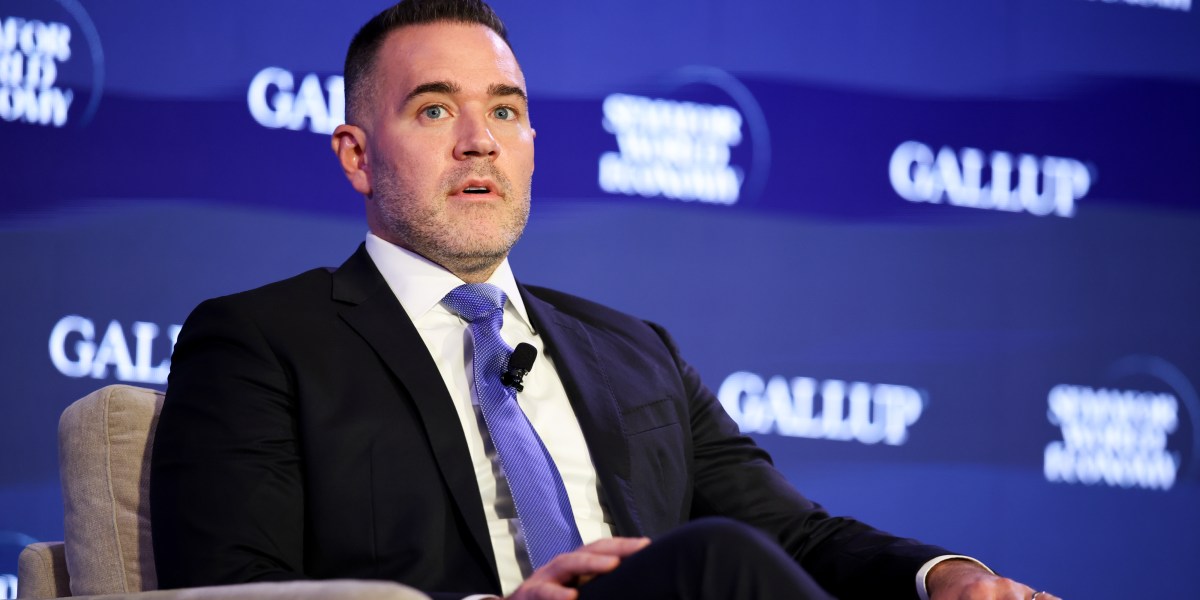
Gallup CEO Jon Clifton’s stark warning to the nation’s business leaders: the state of the modern workplace is so dire that it’s almost as if we’re more likely to colonize Mars than fix it. That’s right – according to Clifton, nearly 80% of workers worldwide are ‘checked out’ at work, with engagement levels plummeting over the past two years and now eerily mirroring 2020 levels.
The Disengagement Epidemic
Four in five workers are disengaged – that’s the sobering statistic that Gallup’s research has uncovered. And it’s not just a minor blip on the radar; engagement has been steadily declining since 2020, defying expectations of a post-pandemic boom. Clifton’s stark assertion is that the situation is unlikely to improve anytime soon.
The Mars Analogy
The ‘colonizing Mars’ analogy is striking, to say the least. Clifton’s message is that addressing employee disengagement is a monumental task that seems almost insurmountable. He’s suggesting that our collective willingness and ability to tackle the problem are in short supply – akin to the massive resources and investment required to launch a mission to Mars.
The reality, of course, is that the Mars analogy is more than just a rhetorical flourish. It speaks to a deeper truth about the state of the modern workplace. With so many employees feeling unfulfilled, demotivated, and disconnected from their work, it’s little wonder that productivity and morale are suffering.
The Consequences
So what does this mean for business leaders and policymakers? For one, it’s a stark reminder of the pressing need for radical change. Employee disengagement is a ticking time bomb, waiting to unleash a wave of turnover, absenteeism, and reduced productivity. And yet, despite the alarm bells ringing loudly, few organizations seem willing or able to tackle the issue head-on.
Gallup’s research should serve as a wake-up call – a stark warning that the status quo is no longer tenable. Will we take the necessary steps to revitalize our workplaces and re-engage our employees, or will we continue to drift further away from our employees’ needs and aspirations? The clock is ticking – and the answer may be, ironically, closer to the Martian horizon than we’d like to admit.