AI Scientists Unravel the Mystery of Cell Types from a Single Drop of Blood
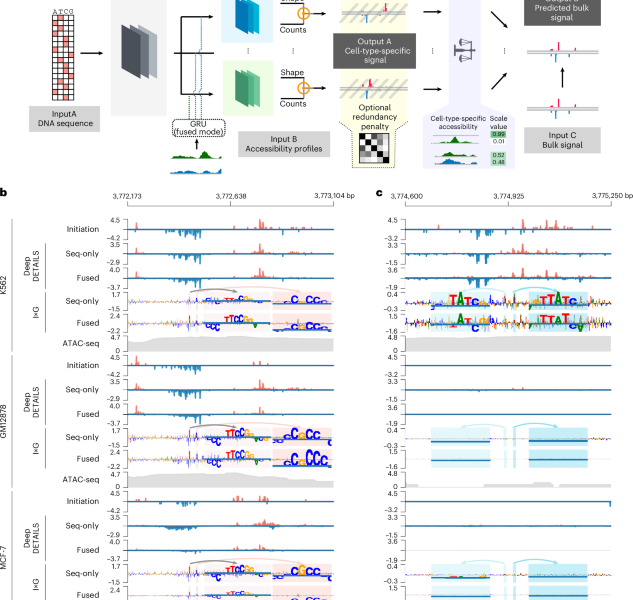
Researchers have long faced a hurdle in understanding the inner workings of cells – especially when they’re mixed together in bulk, like in a single drop of blood. Now, a new AI tool called DeepDETAILS is changing that. By using machine learning to analyze bulk sequencing samples, DeepDETAILS can accurately reconstruct the transcriptional regulatory processes of individual cell types.
Developed by a team of scientists led by Jean-Philippe Vert, DeepDETAILS relies on a sophisticated approach called cross-modality deconvolution. This involves combining data from different sources, like gene expression and protein levels, to tease out the distinct characteristics of each cell type.
How it Works
The process begins with the collection of bulk sequencing samples, which contain a mixture of cell types. These samples are then analyzed using various machine learning algorithms, which help identify the unique patterns of gene expression associated with each cell type. By comparing these patterns across different samples, DeepDETAILS can pinpoint the specific cell types present and their corresponding transcriptional regulatory processes.
This is a significant breakthrough, as it allows researchers to study the behavior of individual cell types in the absence of single-cell resolution. Previously, this would have required the use of single-cell sequencing techniques, which are time-consuming and expensive.
Implications for Disease Research and Treatment
The potential applications of DeepDETAILS are vast. By enabling researchers to study the behavior of individual cell types, this tool could lead to a better understanding of complex diseases, such as cancer and neurological disorders. For example, it could help identify the specific cell types responsible for tumor growth or metastasis, allowing for more targeted therapies.
Furthermore, DeepDETAILS could also aid in the development of personalized medicine. By analyzing an individual’s blood sample, researchers could gain insights into the specific cell types involved in their disease, leading to more effective treatments.
What this means
In practical terms, DeepDETAILS represents a major advance in our ability to study complex biological systems. By providing a more detailed understanding of individual cell types, this tool has the potential to revolutionize disease research and treatment. As researchers continue to refine and apply DeepDETAILS, we can expect to see significant breakthroughs in our understanding of human biology.