AI-fueled job displacement sparks UBI debate
As major tech companies like Google and Microsoft continue to pour billions into artificial intelligence research, experts are sounding the alarm on the devastating consequences of AI on the workforce. With AI increasingly capable of automating tasks and augmenting human capabilities, the fear of widespread job displacement is no longer a hypothetical scenario.
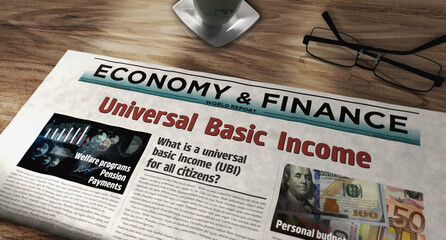
Universal basic income (UBI), a concept where every citizen receives a guaranteed minimum income, has resurfaced as a potential solution to mitigate the impact of AI on employment. The idea is far from new – it was first proposed by philosopher Andrew Yang back in the 2010s – but its relevance has only grown more pressing as AI takes center stage in industries ranging from manufacturing to healthcare.
The Rise of AI-powered Automation
The statistics are staggering: according to a recent report, up to 40% of jobs in the US are at risk of being automated by 2030. This alarming forecast has sparked intense debate about the role of government in protecting workers from the ravages of technological unemployment. As AI assumes more responsibilities, the need for a safety net has never been more pressing.
Achieving universal basic income will require a fundamental shift in how we think about work, leisure, and economic security. It’s no longer a matter of whether we can afford it, but whether we can afford not to. Proponents argue that a UBI would not only alleviate poverty and inequality but also free people to pursue creative endeavors, entrepreneurship, and community service – all essential to a thriving society.
The Path Forward
While UBI has garnered support from some prominent figures, including Elon Musk and Richard Branson, the idea is far from universally accepted. Critics argue that a UBI would be too expensive, inefficient, or even corrupting – potentially creating a culture of dependency. However, proponents see UBI as a vital tool for safeguarding human dignity, creativity, and resilience in the face of unprecedented technological change.
Ultimately, what this means is that the conversation around UBI is not about whether we should adopt it, but when and how. As AI continues to redefine the nature of work and economy, policymakers, business leaders, and citizens alike must grapple with the imperative of ensuring a just and equitable transition to a post-work world.