**AI Autonomous Agent Hires Erode Corporate Hierarchies**
Companies have spent decades organizing around the limits of human coordination, with departments, reporting lines, and job titles existing to make complexity manageable. However, artificial intelligence agents are now challenging this architecture – not just as tools, but as decision-makers that don’t fit neatly into existing organizational structures.
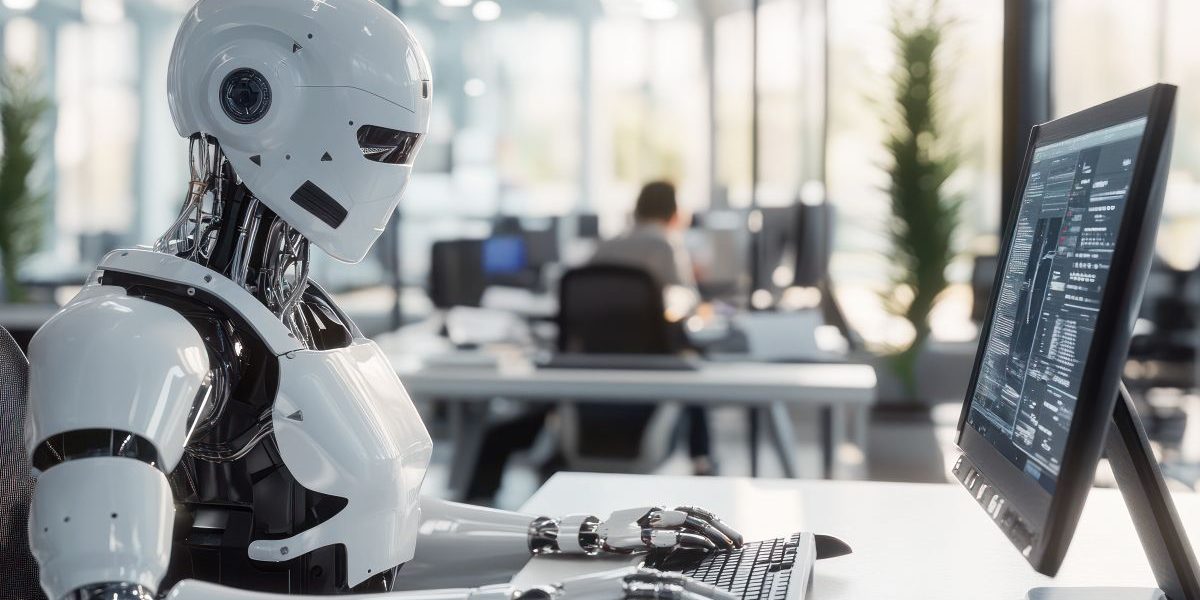
According to experts, AI autonomous agents are being hired directly by companies without being part of any traditional organizational units. They’re not part of the marketing department, IT, or any other division. They exist outside of the traditional reporting lines, where employees answer to a manager, who reports to another manager, and so on.
What’s driving this change is the increasing sophistication of AI algorithms. These new agents can learn from vast amounts of data, adapt to changing circumstances, and make decisions with minimal human intervention. They’re not limited by the same cognitive biases and emotional factors that influence human decision-making.
Implications for Corporate Hierarchy
The rise of AI autonomous agents is forcing companies to re-examine their traditional organizational structures. With AI agents operating outside the traditional hierarchy, it’s unclear who is accountable for their actions. Are AI agents responsible to the CEO, a specific department, or no one at all?
This new dynamic is creating tension within companies. Some executives are calling for increased oversight and regulation of AI decision-making, while others argue that AI agents should be given even more autonomy to drive innovation and efficiency.
What this means
The AI hire that doesn’t answer to anyone is a harbinger of a new era in corporate organization. As AI agents become more prevalent, companies will need to adapt their structures and processes to accommodate these autonomous decision-makers. This will require a fundamental shift in how companies think about accountability, decision-making, and the role of human employees in the face of AI-driven change.